Robotics-Assisted Assembly Lines Accelerating Precision Manufacturing — A Strategic Use Case for Presear Softwares Pvt. Ltd.
I
Head (AI Cloud Infrastructure), Presear Softwares PVT LTD
Search for a command to run...
Head (AI Cloud Infrastructure), Presear Softwares PVT LTD
No comments yet. Be the first to comment.
Explore the forefront of AI innovation with Presear Softwares' AI Series, delving into machine learning for automation and neural networks for predictive analytics, unlocking AI's transformative potential across industries.
Introduction Industrial environments such as manufacturing plants, mining sites, oil refineries, ports, and large institutional campuses rely heavily on internal transportation systems. Vehicles are continuously used to transport raw materials, finis...
How Presear Softwares Empowered the National Institute of Wind Energy with Intelligent Asset Tracking
An ICSSR Project Implementation by Presear Softwares
A Hybrid Architecture for Voice-Driven Molecular Simulation and Quantum Chemistry Experiments

How PresearVisionXTrans™ Can Secure Large Gatherings like Holi
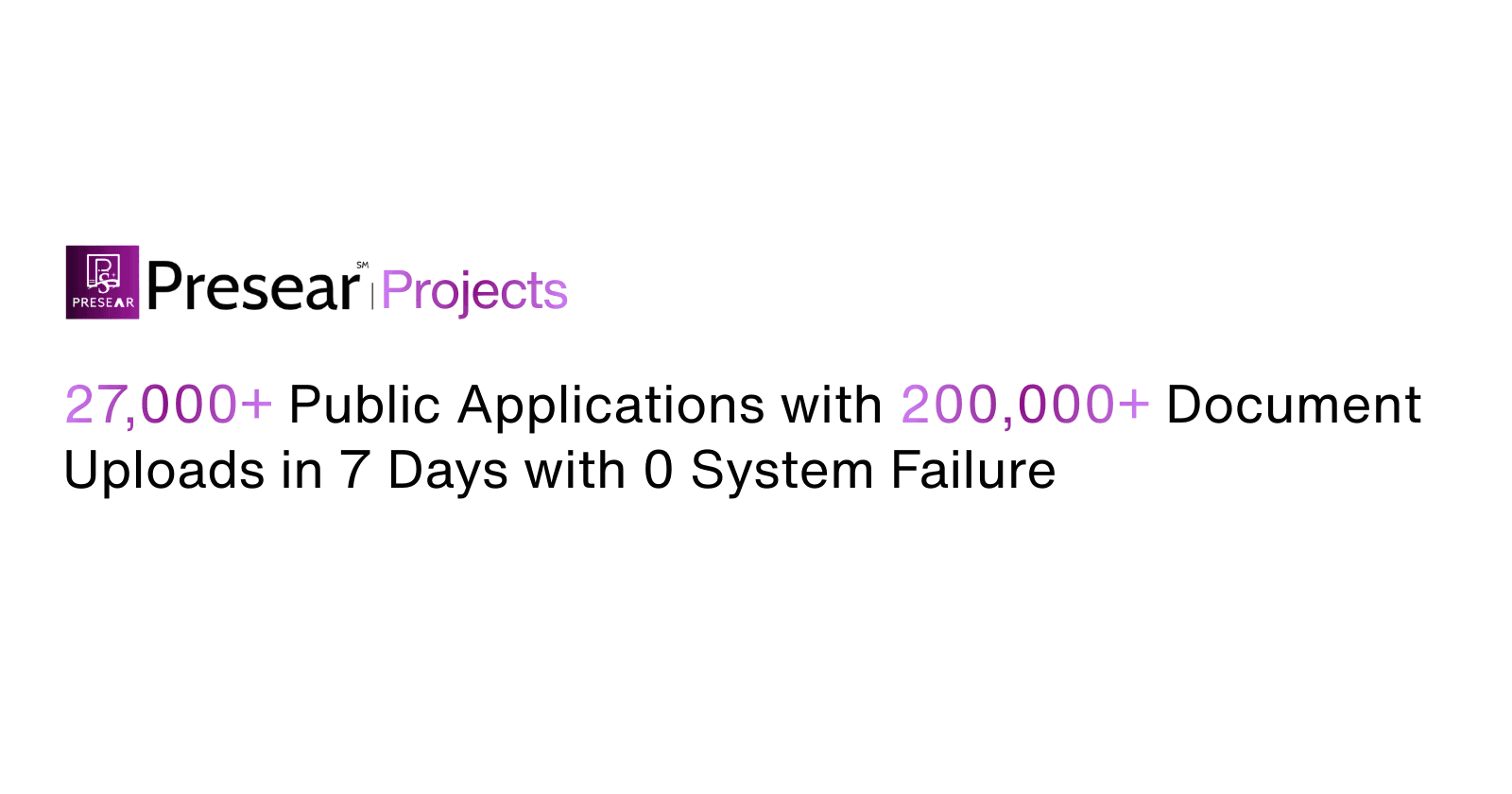
How Presear Engineered a Burst-Resilient Government Recruitment Portal using AI-Ready Scalable Architecture
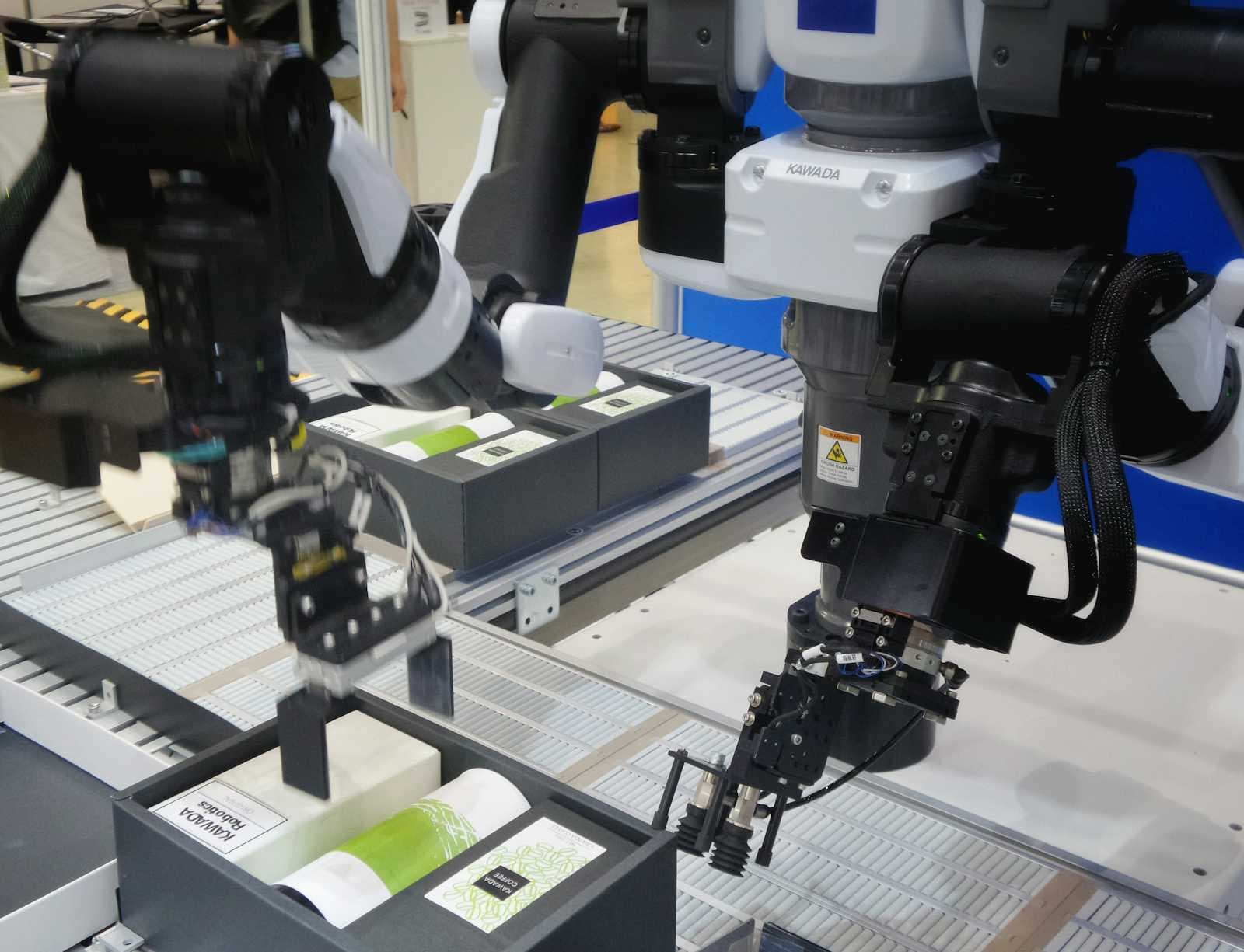
Manufacturing industries across the globe are undergoing a rapid transformation driven by automation, artificial intelligence, and smart factory technologies. Assembly lines, traditionally dependent on manual labor, are now facing increasing pressure to meet higher productivity targets, maintain consistent quality, reduce operational costs, and adapt to rapid product design changes. Manual assembly processes, although flexible, are inherently prone to variability, human error, fatigue-related inconsistencies, and slower production speeds. These limitations significantly affect industries such as automotive, electronics, and heavy industrial manufacturing, where even small assembly errors can result in large-scale recalls, safety risks, or costly rework.
Robotics-assisted assembly lines represent a powerful solution to these challenges. By integrating robotic systems, AI-driven control software, and intelligent process monitoring, organizations can achieve high-speed, precision manufacturing with consistent output quality. For Presear Softwares Pvt. Ltd., building and deploying robotics-assisted assembly platforms offers a high-impact Industry 4.0 use case that enables manufacturing enterprises to transition toward intelligent, automated production ecosystems. This article presents a comprehensive overview of the problem landscape, the robotics-assisted solution architecture, implementation approach, and the strategic advantages such systems provide to manufacturing clients and to Presear’s technology portfolio.
Despite advancements in production engineering, many assembly operations still rely heavily on manual workers to perform tasks such as component placement, fastening, wiring, inspection, and packaging. While manual assembly allows flexibility, it introduces several operational challenges:
1. Error-Prone Operations
Human operators, especially in repetitive assembly tasks, are susceptible to fatigue, distraction, and inconsistent precision. Even minor assembly inaccuracies—misaligned components, loose fasteners, incorrect wiring—can lead to product failures or expensive rework.
2. Slow Production Speeds
Manual assembly lines often struggle to meet increasing demand for faster production cycles, particularly in high-volume industries such as automotive and electronics manufacturing.
3. Inconsistent Quality Output
Human-driven processes naturally produce variations in assembly precision. Maintaining uniform quality across multiple shifts or facilities becomes difficult.
4. Rising Labor Costs and Skill Gaps
Manufacturers face increasing labor costs and shortages of skilled assembly technicians, especially in regions with expanding industrial sectors.
5. Workplace Safety Risks
Assembly lines involving heavy components, repetitive movements, or hazardous materials expose workers to safety risks and ergonomic injuries.
These challenges create a strong case for automation, where robotics-assisted assembly lines can dramatically improve performance and reliability.
Presear Softwares Pvt. Ltd. can develop an integrated Robotics-Assisted Assembly Platform that combines industrial robotic arms, AI-powered control systems, computer vision inspection, and enterprise integration capabilities to automate and optimize assembly operations.
1. Industrial Robotic Arms
Programmable robotic arms perform high-precision assembly tasks such as component insertion, screw fastening, welding, adhesive application, and material handling with consistent accuracy.
2. Collaborative Robots (Cobots)
Cobots are designed to work safely alongside human operators, assisting in repetitive tasks while allowing humans to focus on complex or decision-driven operations.
3. AI-Based Process Control
Machine learning algorithms optimize robot movements, adjust torque settings, and dynamically calibrate assembly parameters based on real-time production data.
4. Computer Vision Quality Inspection
Vision systems integrated into the assembly line automatically verify alignment, detect missing components, and ensure assembly correctness before products move to the next stage.
5. Enterprise Integration Layer
The platform integrates with ERP, Manufacturing Execution Systems (MES), and supply chain systems, enabling real-time production monitoring, inventory synchronization, and automated reporting.
Presear can adopt a phased deployment approach to ensure smooth integration and maximum ROI for manufacturing clients.
Evaluate current assembly workflows and identify repetitive, high-error, or high-cycle-time processes.
Conduct feasibility analysis for robotic automation and estimate potential productivity gains.
Design robotic cell layouts and integration architecture.
Implement robotic assembly units in selected production areas.
Run pilot operations alongside manual processes for benchmarking accuracy and speed improvements.
Train plant personnel for robot monitoring and collaborative workflows.
Expand robotic integration across assembly lines.
Introduce computer vision inspection systems for automated quality control.
Implement centralized robotics orchestration dashboards.
Use analytics to monitor robot performance, downtime, and process efficiency.
Deploy predictive maintenance models to detect early equipment failures.
Continuously retrain AI systems using production data to enhance efficiency.
In automotive production, robotics-assisted assembly enables precise installation of engines, wiring harnesses, dashboards, and structural components. Robots ensure consistent torque tightening, welding accuracy, and alignment, reducing assembly defects and improving vehicle reliability.
Electronics assembly requires micron-level precision in component placement and soldering. Robotic systems perform high-speed PCB assembly, component insertion, and micro-soldering with exceptional accuracy, significantly reducing defect rates.
Heavy machinery and industrial equipment assembly often involve large, heavy components that require precise alignment. Robotics systems handle heavy lifting, positioning, and fastening tasks while improving safety and productivity.
Deploying robotics-assisted assembly lines through Presear’s solutions can deliver substantial operational improvements:
1. Increased Production Speed
Robotic systems operate continuously without fatigue, significantly increasing throughput.
2. Higher Assembly Accuracy
Precision robotics reduces assembly defects and enhances product reliability.
3. Reduced Rework and Scrap Costs
Automated assembly minimizes mistakes, lowering the cost of defective products and rework operations.
4. Enhanced Worker Safety
Robots perform hazardous or physically demanding tasks, reducing workplace injuries.
5. Consistent Quality Across Facilities
Standardized robotic programming ensures identical assembly performance across multiple plants.
6. Scalable Manufacturing Operations
Robotic assembly cells can be replicated and expanded as production demand increases.
Developing robotics-assisted assembly solutions offers strong strategic advantages for Presear:
Expansion into Smart Manufacturing Solutions
Robotics automation strengthens Presear’s positioning as a comprehensive Industry 4.0 technology provider.
Long-Term Client Engagement
Robotics deployments require ongoing software updates, analytics services, predictive maintenance systems, and integration enhancements, creating recurring service opportunities.
Cross-Industry Market Potential
The same robotics orchestration platform can be adapted across automotive, electronics, pharmaceuticals, aerospace, and heavy industrial manufacturing sectors.
Data-Driven Manufacturing Intelligence
Assembly-line robotics generate operational data that can power advanced analytics, process optimization tools, and AI-driven production planning systems.
High Initial Investment
Manufacturers may hesitate due to upfront costs. A phased deployment strategy and robotics-as-a-service (RaaS) subscription models can reduce financial barriers.
Workforce Adaptation
Employees may require reskilling to operate and supervise robotics systems. Training programs and collaborative robot deployments help smooth the transition.
System Integration Complexity
Legacy manufacturing systems may require integration customization. Modular APIs and standardized middleware can simplify deployment.
Operational Transition Risks
Automation may initially disrupt workflows. Pilot deployments and gradual scaling minimize operational risks.
The future of manufacturing lies in fully autonomous smart factories where robotics, AI, predictive analytics, and digital twins operate in an integrated ecosystem. Robotics-assisted assembly lines will increasingly incorporate adaptive learning systems capable of automatically adjusting to new product designs, optimizing production schedules, and coordinating with supply chain networks in real time.
By investing in robotics-assisted assembly platforms, Presear Softwares Pvt. Ltd. can position itself at the forefront of the smart manufacturing revolution. Its ability to integrate robotics control software, AI analytics, enterprise systems, and predictive optimization tools enables clients to achieve faster production, higher product quality, and long-term operational competitiveness.
Manual assembly lines, while historically effective, are increasingly unable to meet the demands of modern manufacturing environments that require speed, precision, and scalability. Robotics-assisted assembly lines offer a transformative approach by automating repetitive tasks, improving assembly accuracy, enhancing worker safety, and enabling intelligent production management. Through the development and deployment of advanced robotics-assisted assembly solutions, Presear Softwares Pvt. Ltd. can help automotive, electronics, and industrial manufacturing enterprises transition into next-generation smart factories—delivering measurable productivity gains, consistent product quality, and sustainable competitive advantage in the era of Industry 4.0.