Ensuring AI Reliability with Model Drift & Performance Monitoring
I
Head (AI Cloud Infrastructure), Presear Softwares PVT LTD
Search for a command to run...
Head (AI Cloud Infrastructure), Presear Softwares PVT LTD
No comments yet. Be the first to comment.
Explore the forefront of AI innovation with Presear Softwares' AI Series, delving into machine learning for automation and neural networks for predictive analytics, unlocking AI's transformative potential across industries.
Introduction Artificial intelligence and machine learning (ML) have become central to digital transformation strategies across industries. Organizations in fintech, e-commerce, and SaaS platforms are investing heavily in developing predictive models ...
How Presear Softwares Empowered the National Institute of Wind Energy with Intelligent Asset Tracking
An ICSSR Project Implementation by Presear Softwares

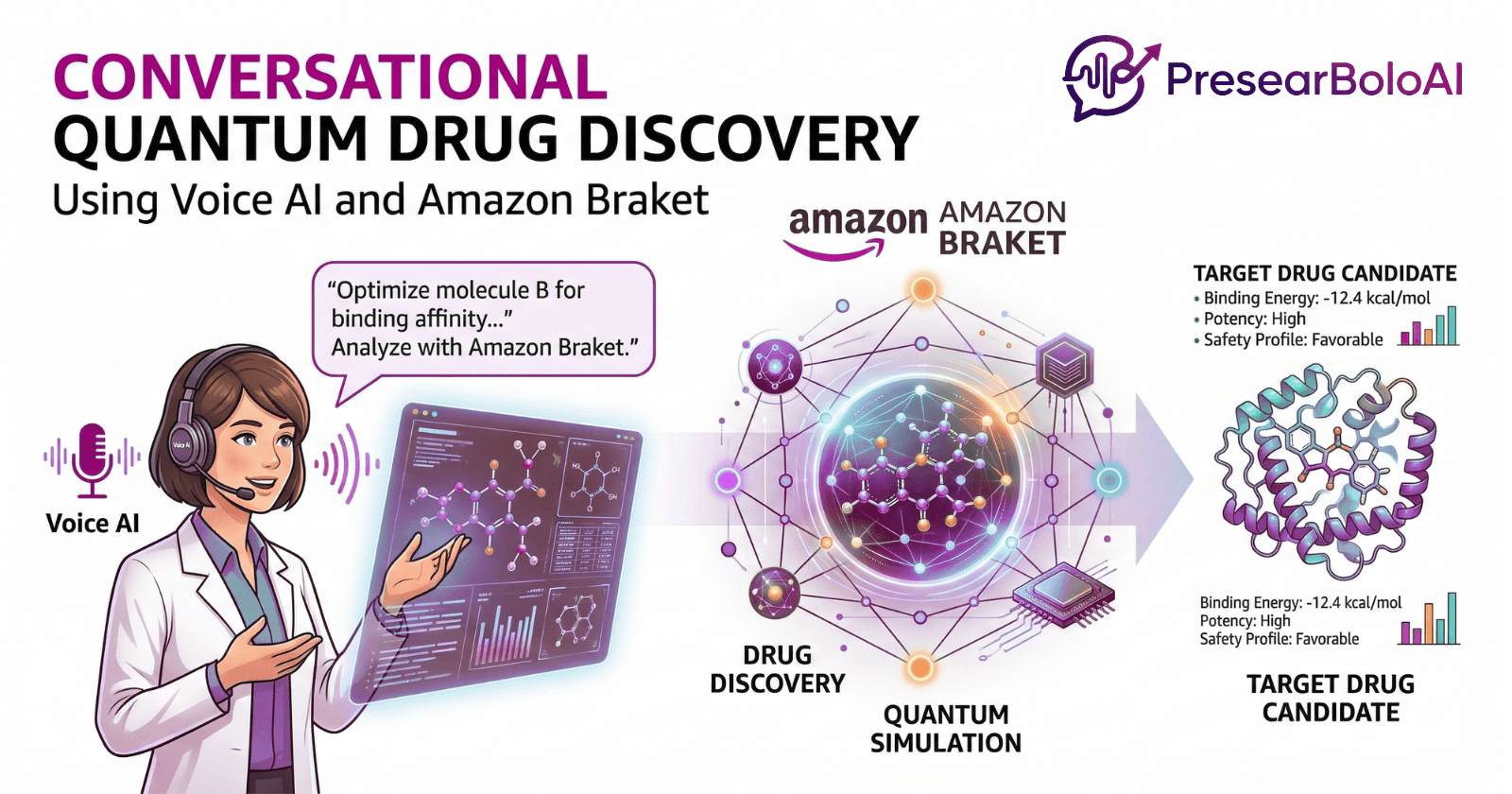
A Hybrid Architecture for Voice-Driven Molecular Simulation and Quantum Chemistry Experiments
How PresearVisionXTrans™ Can Secure Large Gatherings like Holi
How Presear Engineered a Burst-Resilient Government Recruitment Portal using AI-Ready Scalable Architecture
Artificial Intelligence (AI) and machine learning (ML) systems have become foundational technologies across industries such as healthcare, retail analytics, and financial services. Organizations increasingly rely on predictive models to make decisions related to diagnostics, fraud detection, customer behavior forecasting, credit scoring, inventory planning, and operational optimization. While building and deploying machine learning models has become more accessible, maintaining their long-term performance in real-world environments remains a major challenge.
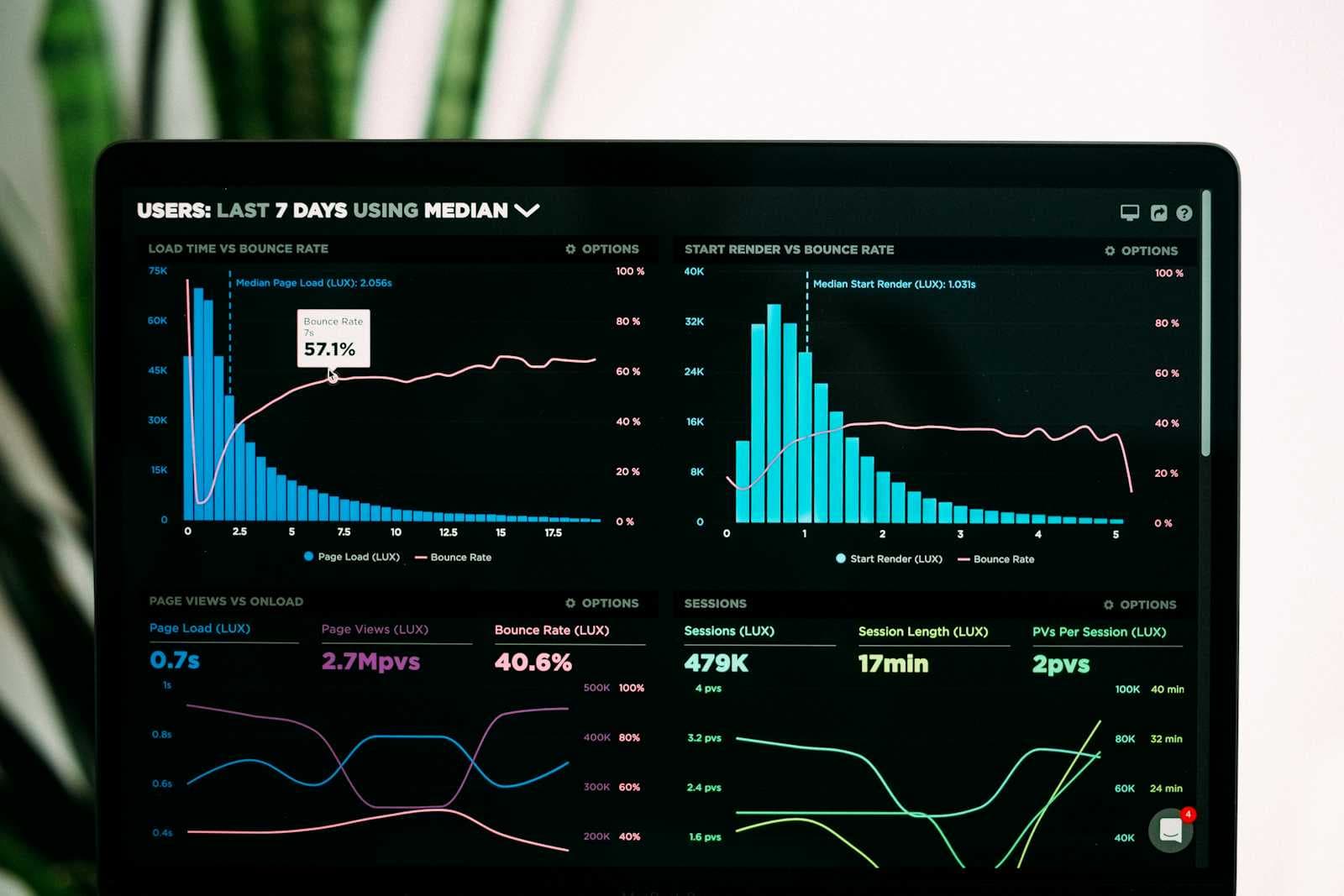
Once deployed, AI models operate in dynamic environments where input data patterns continuously evolve. Changes in user behavior, economic conditions, seasonal trends, demographic shifts, regulatory changes, and operational adjustments can alter the underlying data distributions. Over time, these shifts cause models to produce less accurate predictions, a phenomenon known as model drift or data drift. If not detected early, model drift can lead to incorrect predictions, operational inefficiencies, compliance risks, financial losses, and reduced trust in AI-driven systems.
To address this challenge, organizations require robust model monitoring and performance management frameworks capable of continuously tracking model behavior, detecting drift, triggering retraining processes, and ensuring consistent prediction accuracy. Presear Softwares Pvt. Ltd., with its strong expertise in AI engineering, enterprise-grade analytics platforms, and intelligent automation systems, is well positioned to develop comprehensive Model Drift and Performance Monitoring solutions that help organizations maintain reliable, production-grade AI systems.
This article explores a detailed use case demonstrating how Presear Softwares can deliver an end-to-end model monitoring platform designed to ensure AI reliability for healthcare providers, retail analytics companies, and financial institutions.
Machine learning models are typically trained on historical datasets under specific conditions. However, real-world data environments rarely remain static. Several factors contribute to model performance degradation:
Data Distribution Changes
Customer behavior, patient demographics, or financial transaction patterns can evolve over time, causing a mismatch between training data and real-time operational data.
Concept Drift
The relationship between input variables and target outcomes may change. For example, fraud detection patterns evolve as attackers adopt new techniques, reducing the effectiveness of previously trained models.
Operational Environment Changes
System upgrades, sensor changes, new product introductions, or workflow modifications can alter input data characteristics.
Regulatory and Policy Changes
Financial or healthcare regulations may require updated decision rules, affecting prediction logic.
Delayed Feedback Loops
In many industries, true outcomes (e.g., loan defaults, medical treatment results) become available only after a delay, making it difficult to evaluate model performance immediately.
Without systematic monitoring mechanisms, organizations may continue using degraded models for long periods, leading to significant operational and reputational risks.
To ensure long-term reliability, organizations must move beyond “deploy and forget” approaches toward continuous model lifecycle management. A robust monitoring framework should provide:
Real-time model performance tracking
Data drift detection across input variables
Concept drift detection for changing prediction relationships
Alerting systems for performance degradation
Automated retraining workflows
Compliance-ready audit trails
Explainability and fairness monitoring
Such capabilities enable organizations to maintain stable AI systems that adapt to evolving data environments.
Presear Softwares Pvt. Ltd. can develop an enterprise-grade Model Monitoring and AI Lifecycle Management platform designed to integrate seamlessly with existing ML pipelines, cloud infrastructure, and enterprise analytics systems. The platform can include the following core modules:
This module continuously compares incoming production data with historical training data distributions using statistical techniques and machine learning–based drift detection algorithms. The system identifies shifts in feature distributions, missing data patterns, or anomalous inputs.
The platform tracks key performance metrics such as accuracy, precision, recall, ROC-AUC, prediction confidence levels, and error rates. Performance metrics are monitored across time windows, customer segments, geographic regions, or product categories to identify localized degradation.
Advanced analytics detect changes in relationships between features and outcomes, signaling when the underlying predictive logic is no longer valid even if input distributions appear stable.
When drift or performance decline crosses predefined thresholds, automated alerts notify data science teams, triggering investigation and remediation workflows.
The platform supports automated retraining pipelines using updated datasets, model validation checks, and version-controlled deployment processes, ensuring rapid recovery of model performance.
Regulated industries require transparency in AI decision-making. The system provides explainability tools, fairness monitoring, and audit logs that document model changes and performance history for regulatory compliance.
A unified governance system manages model inventories, lifecycle status, approval workflows, and deployment histories, ensuring enterprise-wide AI oversight.
In healthcare applications such as disease risk prediction, diagnostic assistance, and patient outcome forecasting, changes in patient demographics, treatment protocols, or disease patterns can lead to model drift. Continuous monitoring ensures clinical decision-support systems remain accurate and safe, reducing diagnostic risks and improving patient outcomes.
Retail demand forecasting, recommendation engines, and customer segmentation models depend heavily on evolving consumer behavior patterns. Drift monitoring enables retailers to maintain accurate personalization systems, optimize inventory planning, and respond effectively to changing market trends.
Banks and financial organizations rely heavily on credit scoring, fraud detection, and risk assessment models. Fraud tactics and financial behavior patterns evolve constantly, making drift detection essential for maintaining regulatory compliance, reducing financial losses, and ensuring responsible AI decision-making.
To successfully deploy model monitoring solutions, Presear Softwares can follow a structured implementation approach:
AI System Audit
Assess existing deployed models, data pipelines, and performance evaluation processes to identify monitoring gaps.
Monitoring Framework Design
Define monitoring metrics, drift thresholds, governance policies, and retraining workflows tailored to organizational needs.
Platform Deployment
Integrate the monitoring platform with existing ML infrastructure, cloud services, and data pipelines.
Pilot Testing
Deploy monitoring systems on selected critical models to validate detection accuracy and workflow efficiency.
Enterprise-Wide Scaling
Extend monitoring coverage across all production models and business units.
Continuous Optimization
Enhance drift detection algorithms, retraining strategies, and governance mechanisms based on operational experience.
Organizations implementing Presear’s Model Drift and Performance Monitoring solutions can realize significant strategic benefits:
Sustained model accuracy in dynamic environments
Reduced operational risks from incorrect predictions
Faster detection of performance degradation
Automated retraining and lifecycle management
Improved regulatory compliance and audit readiness
Enhanced trust in AI-driven decision systems
Reduced manual monitoring effort
Scalable governance for enterprise AI systems
Improved return on investment from AI initiatives
These benefits ensure that AI deployments remain reliable, accountable, and business-aligned over time.
By offering advanced AI lifecycle management and monitoring platforms, Presear Softwares strengthens its position as a full-stack AI solutions provider capable of supporting organizations across the entire machine learning lifecycle—from data engineering and model development to deployment, monitoring, and governance.
Such solutions also create recurring service opportunities in the form of managed monitoring platforms, AI governance consulting, compliance support services, and automated retraining solutions. Over time, Presear can build industry-specific model monitoring frameworks optimized for healthcare, retail analytics, and financial risk modeling.
As AI adoption accelerates across industries, maintaining model reliability will become just as important as building accurate models. Regulatory frameworks worldwide are increasingly emphasizing AI transparency, accountability, and lifecycle governance, making continuous monitoring systems essential for enterprise AI adoption.
Technologies such as automated machine learning operations (MLOps), explainable AI, fairness monitoring, and adaptive learning systems will further drive the demand for intelligent model performance monitoring platforms. Organizations that invest early in these capabilities will gain long-term advantages in operational stability, regulatory readiness, and customer trust.
Model drift and performance degradation represent significant risks for organizations relying on AI-driven decision-making. Without continuous monitoring, even highly accurate models can become unreliable as data environments evolve. Model Drift and Performance Monitoring solutions provide the necessary infrastructure to ensure consistent performance, transparency, and governance across the AI lifecycle.
Through the development of enterprise-grade monitoring platforms, Presear Softwares Pvt. Ltd. can help healthcare providers, retail analytics companies, and financial institutions maintain reliable, high-performing AI systems. This use case demonstrates how proactive AI lifecycle management can transform machine learning deployments from experimental tools into stable, mission-critical enterprise assets—positioning Presear Softwares as a key enabler of trustworthy, scalable artificial intelligence solutions.