Dynamic Supply Chain Optimization- A Strategic Use Case for Presear Softwares Pvt. Ltd.
I
Head (AI Cloud Infrastructure), Presear Softwares PVT LTD
Search for a command to run...
Head (AI Cloud Infrastructure), Presear Softwares PVT LTD
No comments yet. Be the first to comment.
Explore the forefront of AI innovation with Presear Softwares' AI Series, delving into machine learning for automation and neural networks for predictive analytics, unlocking AI's transformative potential across industries.
How Presear Softwares Empowered the National Institute of Wind Energy with Intelligent Asset Tracking

An ICSSR Project Implementation by Presear Softwares

A Hybrid Architecture for Voice-Driven Molecular Simulation and Quantum Chemistry Experiments

How PresearVisionXTrans™ Can Secure Large Gatherings like Holi

How Presear Engineered a Burst-Resilient Government Recruitment Portal using AI-Ready Scalable Architecture
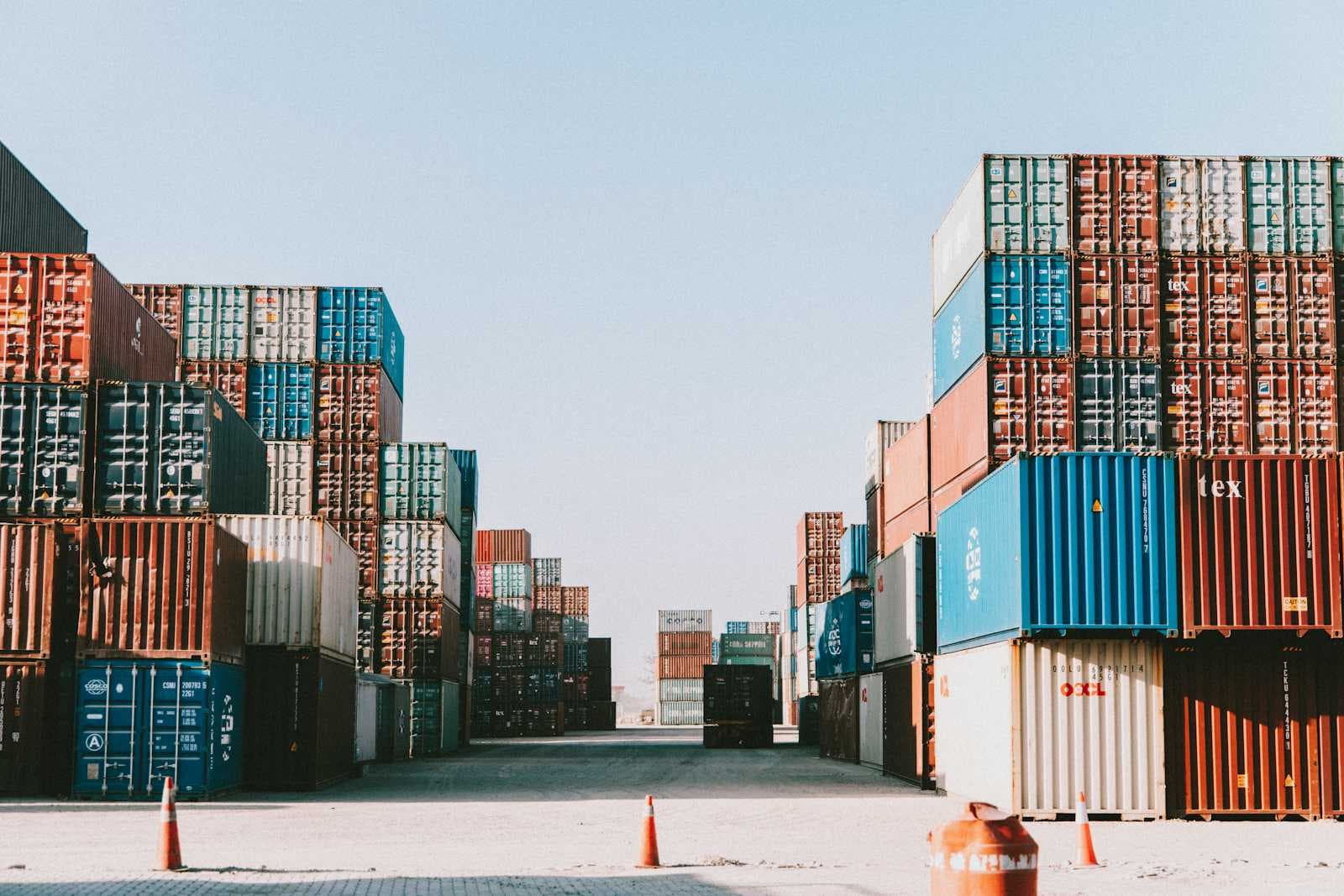
In today’s rapidly evolving global economy, supply chains are becoming increasingly complex, interconnected, and vulnerable to disruptions. Market volatility driven by fluctuating demand, geopolitical uncertainties, transportation delays, supplier risks, regulatory changes, and unexpected global events has exposed the limitations of traditional supply chain planning systems. Many organizations still rely on static planning models that operate on periodic forecasting and fixed assumptions, which fail to adapt quickly to real-time changes. As a result, businesses face inventory imbalances, stockouts, overstocking, delayed deliveries, rising operational costs, and reduced customer satisfaction.
Dynamic supply chain optimization represents a new paradigm that leverages artificial intelligence (AI), predictive analytics, real-time data integration, and automated decision-making to enable adaptive, responsive, and resilient supply chain operations. Presear Softwares Pvt. Ltd., with its expertise in AI-driven enterprise solutions, data engineering, and advanced analytics, is uniquely positioned to develop intelligent supply chain optimization platforms that address these challenges for industries such as retail, pharmaceuticals, and global logistics.
This article presents a comprehensive use case demonstrating how Presear Softwares can design and implement dynamic supply chain optimization solutions that help organizations transition from static planning systems to intelligent, self-adapting supply networks.
Traditional supply chain planning systems typically rely on historical data, periodic forecasting cycles, and rule-based decision-making. While these methods worked effectively in relatively stable markets, modern supply chains operate in highly dynamic environments where conditions can change daily or even hourly. Several key challenges highlight the limitations of static planning models:
Demand Volatility
Consumer demand can fluctuate significantly due to seasonal trends, promotional campaigns, economic shifts, or unexpected global events. Static forecasts fail to adjust quickly, leading to shortages or excess inventory.
Supply Disruptions
Supplier delays, transportation bottlenecks, port congestion, and geopolitical risks can disrupt supply flows. Traditional systems lack real-time visibility and predictive capabilities to respond proactively.
Inventory Imbalances
Companies often maintain either too much inventory, increasing holding costs, or too little inventory, causing lost sales and customer dissatisfaction.
Slow Decision Cycles
Manual planning processes require time-consuming analysis and human intervention, delaying decision-making when rapid responses are essential.
Limited Cross-Network Visibility
Many supply chains operate in silos, with disconnected systems across procurement, logistics, warehousing, and demand planning, preventing holistic optimization.
These challenges demonstrate the urgent need for intelligent systems capable of continuously adapting to real-time conditions rather than relying solely on static forecasts.
Dynamic supply chain optimization uses advanced technologies such as AI, machine learning, real-time analytics, IoT data integration, and automation to enable continuous planning and responsive decision-making. Instead of fixed plans updated monthly or quarterly, dynamic systems continuously evaluate data streams and adjust operational strategies automatically.
Key capabilities include:
Real-time demand forecasting using AI models
Dynamic inventory optimization across warehouses and distribution centers
Predictive disruption detection and risk mitigation
Intelligent logistics routing and transportation optimization
Automated replenishment planning
End-to-end supply chain visibility dashboards
Scenario simulation and decision support systems
Such systems allow organizations to operate adaptive supply networks capable of responding instantly to market changes.
Presear Softwares Pvt. Ltd. can develop a comprehensive AI-driven supply chain optimization platform designed to integrate seamlessly with existing enterprise systems such as ERP, warehouse management systems (WMS), and transportation management systems (TMS). The platform would consist of several interconnected modules:
The platform collects data from multiple sources including sales systems, supplier feeds, logistics providers, IoT sensors, inventory databases, and market signals. This unified data layer ensures end-to-end visibility across the supply chain.
Machine learning models analyze historical trends, seasonality patterns, promotions, regional variations, and external indicators such as market conditions to generate highly accurate real-time demand forecasts.
Advanced optimization algorithms determine optimal inventory levels across locations, balancing service levels, holding costs, and replenishment constraints. The system dynamically adjusts inventory policies based on changing demand conditions.
AI models continuously monitor supplier performance, transportation delays, and external risk indicators to predict potential disruptions and recommend mitigation strategies before they impact operations.
Dynamic routing algorithms optimize shipment planning, warehouse allocations, and transportation scheduling to minimize costs while meeting delivery timelines.
Executives and operations managers receive real-time dashboards displaying supply chain performance metrics, risk alerts, demand trends, and recommended actions, enabling faster and more informed decision-making.
Retail supply chains face constant demand fluctuations driven by consumer trends, promotional events, and seasonal demand spikes. Dynamic optimization systems enable retailers to maintain optimal stock levels across stores and distribution centers, preventing stockouts during peak demand while minimizing excess inventory. Real-time forecasting also supports faster replenishment cycles and improved customer satisfaction.
Pharmaceutical supply chains require precise demand forecasting and strict regulatory compliance. Dynamic supply chain optimization ensures availability of critical medicines while reducing wastage caused by expired inventory. Predictive analytics also helps identify potential disruptions in raw material supply, ensuring continuity of production.
Logistics providers operate across complex international networks affected by changing shipping schedules, customs delays, and transportation disruptions. Dynamic optimization platforms enable real-time route planning, fleet allocation, and cargo prioritization, improving delivery performance and operational efficiency.
To ensure successful deployment, Presear Softwares can follow a phased implementation strategy:
Supply Chain Assessment
Evaluate existing planning systems, data availability, operational challenges, and business objectives to identify optimization opportunities.
Pilot Deployment
Implement the dynamic optimization platform in a specific supply chain segment or region to validate performance improvements.
Enterprise Integration
Integrate the platform with ERP, WMS, and TMS systems to enable seamless data flow and operational coordination.
Scaling Across Operations
Extend deployment across all supply chain nodes including procurement, manufacturing, warehousing, and logistics.
Continuous Learning and Optimization
AI models continuously learn from operational data, improving forecasting accuracy and decision quality over time.
Organizations implementing Presear’s dynamic supply chain optimization solutions can achieve significant strategic and operational benefits:
Improved demand forecast accuracy
Reduced stockouts and excess inventory
Faster response to market changes
Lower logistics and transportation costs
Enhanced supply chain resilience
Increased operational efficiency
Better customer service levels
Real-time decision intelligence
Reduced working capital requirements
Improved supplier collaboration and planning
These benefits translate into measurable financial gains and stronger competitive positioning in highly dynamic markets.
Developing dynamic supply chain optimization solutions positions Presear Softwares as a strategic digital transformation partner for enterprises across retail, pharmaceutical, and logistics sectors. By combining AI, enterprise software integration, predictive analytics, and intelligent automation, the company can deliver end-to-end supply chain intelligence platforms that drive long-term value for clients.
Such offerings also enable recurring revenue opportunities through managed analytics services, platform subscriptions, and continuous optimization consulting. Over time, Presear can develop industry-specific supply chain intelligence frameworks that accelerate deployment and strengthen domain leadership.
As global supply chains become increasingly interconnected and vulnerable to disruptions, organizations will move away from static planning systems toward adaptive, real-time supply chain intelligence platforms. Technologies such as AI-driven forecasting, digital twins, autonomous planning systems, and predictive logistics networks will become essential components of modern supply chains.
Presear Softwares has the opportunity to lead this transformation by building scalable dynamic supply chain optimization platforms that empower enterprises to operate agile, resilient, and data-driven supply networks.
Static supply chain planning models are no longer sufficient in an era defined by market volatility and operational complexity. Businesses require intelligent systems capable of sensing real-time changes, predicting disruptions, and automatically adjusting supply chain strategies. Dynamic supply chain optimization provides this capability, transforming supply chains into adaptive, resilient ecosystems.
Through the development of AI-driven supply chain optimization solutions, Presear Softwares Pvt. Ltd. can help organizations across retail, pharmaceutical, and global logistics industries achieve operational excellence, cost efficiency, and enhanced customer satisfaction. This use case demonstrates not only a powerful technological opportunity but also a strategic pathway for Presear to become a leading provider of next-generation supply chain intelligence solutions.