Computer Vision for Worker Safety in Power Plants
I
Head (AI Cloud Infrastructure), Presear Softwares PVT LTD
Search for a command to run...
Head (AI Cloud Infrastructure), Presear Softwares PVT LTD
No comments yet. Be the first to comment.
Explore the forefront of AI innovation with Presear Softwares' AI Series, delving into machine learning for automation and neural networks for predictive analytics, unlocking AI's transformative potential across industries.
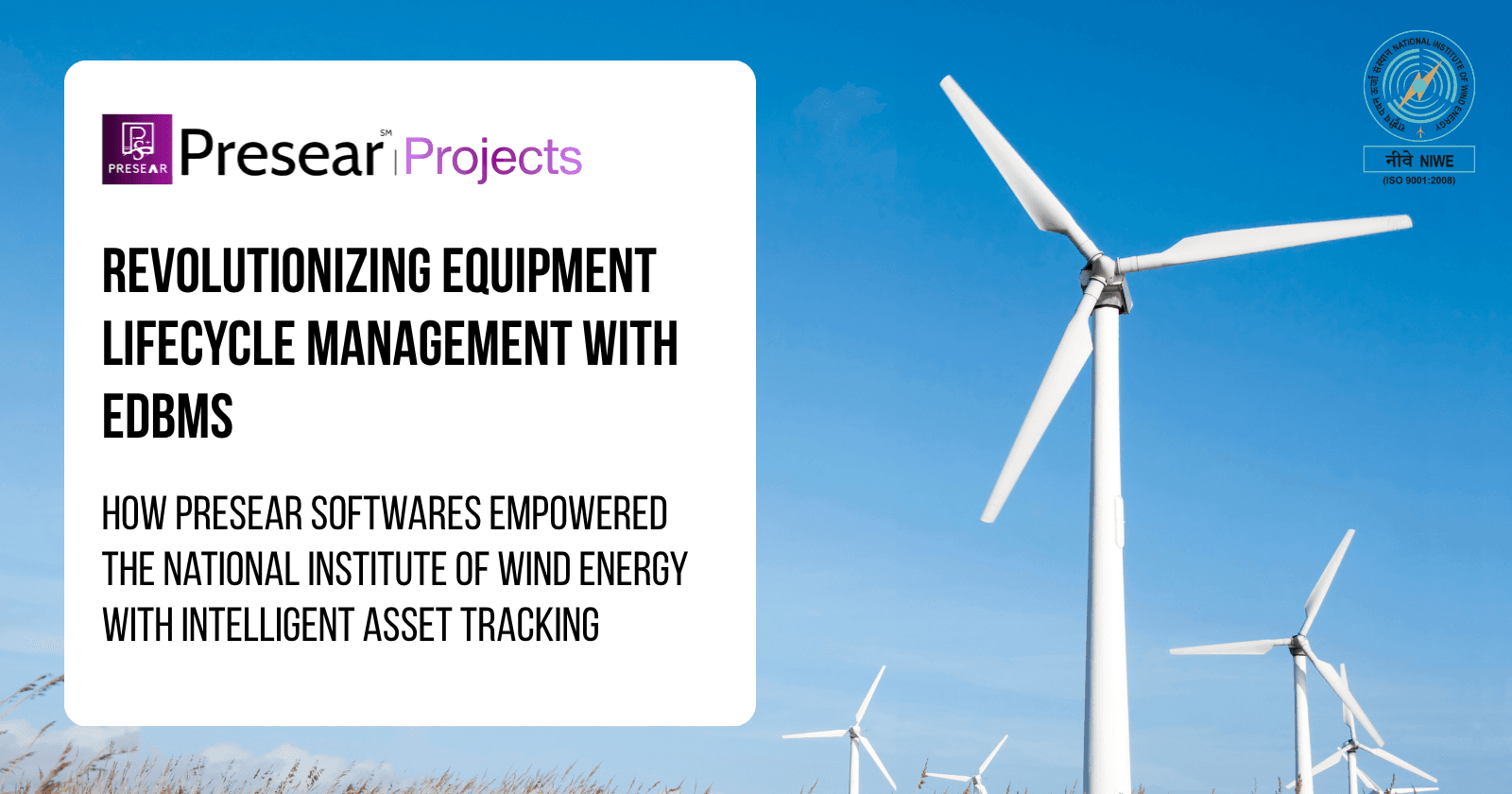
How Presear Softwares Empowered the National Institute of Wind Energy with Intelligent Asset Tracking
An ICSSR Project Implementation by Presear Softwares

A Hybrid Architecture for Voice-Driven Molecular Simulation and Quantum Chemistry Experiments

How PresearVisionXTrans™ Can Secure Large Gatherings like Holi
How Presear Engineered a Burst-Resilient Government Recruitment Portal using AI-Ready Scalable Architecture
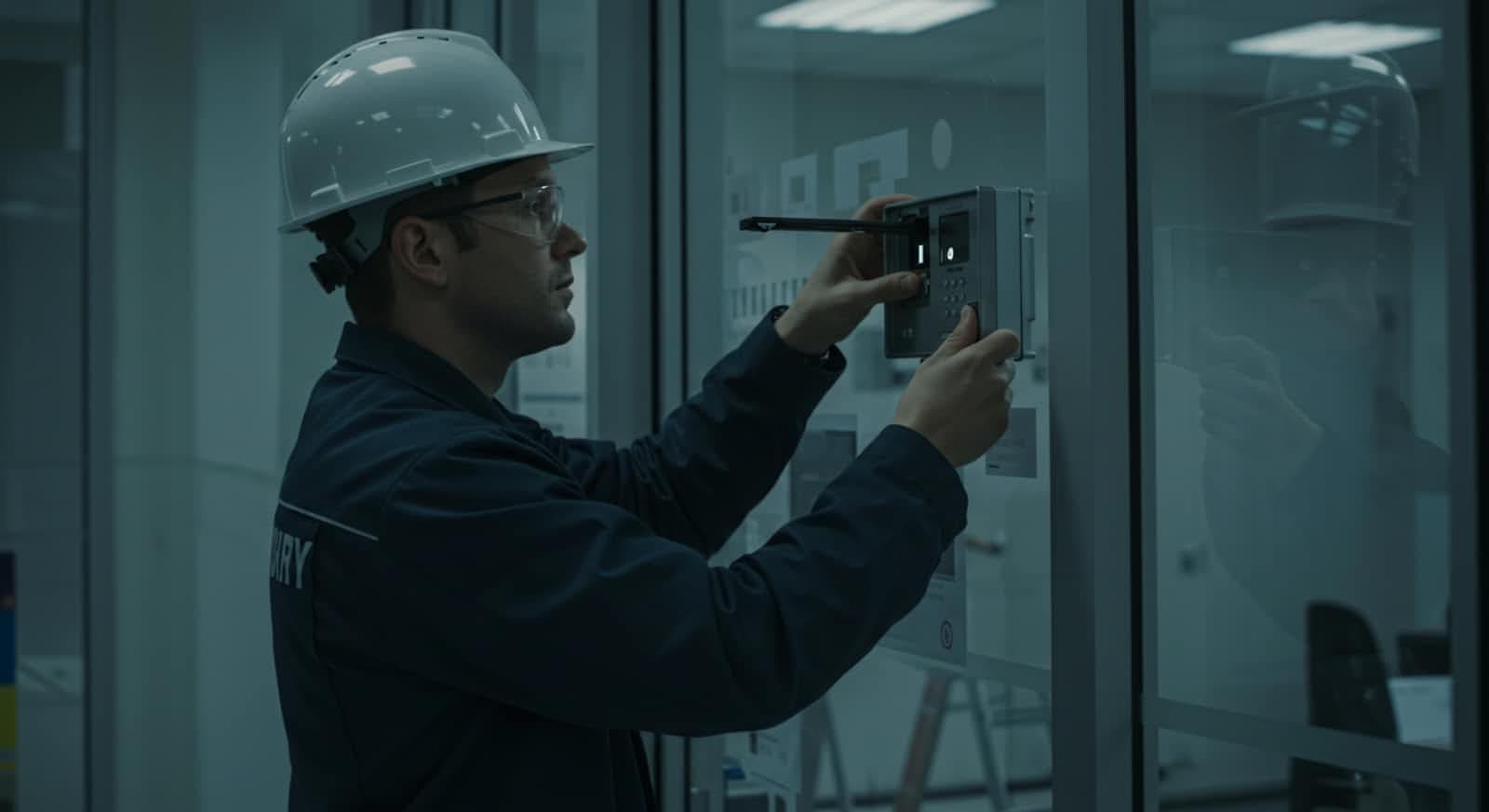
Power plants — whether thermal, nuclear, or oil & gas — are complex, high-risk environments. Heavy machinery, high temperatures, pressurized systems, hazardous chemicals, and confined spaces create continuous safety challenges. Even with strict procedures and safety training, human error, equipment failure, and complex workflows lead to accidents that can cost lives, halt operations, and damage reputations. Computer vision (CV) systems, when thoughtfully designed and deployed, provide a powerful layer of continuous, automated monitoring that reduces risk, improves compliance, and accelerates incident response. This article describes a full-fledged use case for Presear Softwares PVT LTD delivering computer-vision-driven worker safety solutions in power plants, explaining the technical approach, real operational benefits, deployment roadmap, KPIs and expected ROI.
Traditional safety practices rely on a mix of training, manual inspections, permit systems, and periodic audits. These are necessary but reactive: they cannot watch every corner of a sprawling facility 24/7. Computer vision fills that gap by continuously analyzing camera streams (and optional thermal or specialized cameras) to detect unsafe conditions in real time:
PPE (Personal Protective Equipment) compliance: detect missing helmets, safety glasses, gloves, high-visibility vests, or respirators.
Unsafe behaviors: entering restricted zones, working at height without fall protection, two-person lift violations, or smoking in prohibited areas.
Proximity & collision risk: workers too close to moving machinery, forklifts, or live equipment.
Fall / slip detection: automatic identification of a fall or sudden collapse.
Hotspot and thermal anomalies: identify overheating equipment or steam leaks using thermal imaging.
Access control & restricted area breaches: detect unauthorized entry into radiation zones, turbine housings, or chemical storage.
Near-miss logging: capture events that didn’t cause injury but indicate latent risk.
When combined with alarms, workflows, and human-in-the-loop review, CV systems transform passive surveillance into proactive risk mitigation.
Presear’s worker-safety offering for power plants is a modular stack designed for the realities of industrial facilities:
Multi-sensor ingestion
High-res RGB cameras for visual detection.
Thermal cameras for temperature anomalies and electrical hotspot detection.
Optional gas / particulate sensors and integration with existing SCADA and BMS.
Edge inference & hybrid deployment
Lightweight models run on edge devices (industrial gateways) for low latency and reduced bandwidth.
Aggregation servers in a secure plant network for analytics, model updates, and retention of critical clips.
Cloud backend for historical analytics, training, and enterprise dashboards if plant policy allows.
Pretrained & customizable models
PPE classifiers, pose estimation for fall / unsafe posture detection, object detectors for tools and equipment, and thermal-anomaly models.
Transfer learning and site-specific fine-tuning using limited labeled data to adapt to local uniforms, PPE colors, lighting, and camera angles.
Event engine and workflows
Rule engine to suppress false positives (time of day, shift schedules, exclusion zones), aggregation of multi-camera corroboration.
Alerting via SMS, push, SCADA alarms, and ticket creation in EHS systems.
Human verification queues with clip tagging to build feedback for model retraining.
Dashboards & reporting
Real-time incident feed, heatmaps of risky areas, worker-level PPE compliance trends, near-miss logs, and compliance audit exports.
APIs for integration with HR, HSE (Health, Safety & Environment) and maintenance tools.
Security & privacy
On-prem processing options, encryption in transit and at rest, and role-based access controls.
Masking/anonymization features for compliance with privacy policies.
Presear recommends a phased approach that minimizes disruption and maximizes measurable wins:
Discovery & risk mapping (2–4 weeks)
Map high-risk zones, existing camera coverage, connectivity, and safety priorities with plant HSE teams.
Define success metrics (PPE compliance, incident response time, near-miss reductions).
Pilot deployment (6–12 weeks)
Deploy in a single unit/zone (e.g., turbine hall or boiler feed area).
Use a mix of cameras and thermal units; run edge devices with models tuned to site clothing/colors.
Train staff on incident review and escalation pathways.
Iterate & validate (4–8 weeks)
Tune detection thresholds, reduce false positives with human feedback, integrate with alarm systems.
Begin capturing KPIs and create baseline reports.
Scale (3–9 months)
Roll out to multiple zones, integrate with plant SCADA, EHS and training platforms.
Introduce predictive maintenance analytics when thermal anomalies correlate with equipment faults.
Continuous improvement
Presear’s solution design confronts common industrial concerns:
Lighting and occlusion: use multi-angle coverage and combine RGB + thermal data; augment training sets with real site images.
False positives: implement multi-camera corroboration and human verification loops. Prioritize precision where false alarms disrupt operations.
Bandwidth & latency: edge inference avoids sending all video to a central cloud; only event clips and metrics are forwarded.
Regulatory constraints (especially nuclear): fully on-prem options, strict access controls, and auditable change management.
Change management: include frontline workers and safety officers from day one; use CV data for non-punitive coaching and training.
Power plant operators can expect quantifiable improvements across safety, operations, and compliance:
Primary KPIs
PPE compliance rate (pre/post deployment).
Reduction in Recordable Incident Rate (RIR) and Total Recordable Incident Rate (TRIR).
Near-miss frequency and severity trend.
Mean time to detect an incident (seconds/minutes).
Mean time to respond (operator or emergency team arrival).
Operational impact
Decrease in unplanned downtime due to faster detection of equipment overheating and leaks.
Fewer safety-related stoppages and improved audit performance.
Lower insurance premiums and reduced claims from demonstrable safety investments.
Business ROI
At a 500 MW coal-fired thermal plant, Presear ran a 12-week pilot covering the boiler house and coal handling areas. Key outcomes:
PPE non-compliance detections rose initially (the system found many missed helmet usages), but within two months PPE compliance increased by 42% due to targeted training and reminders.
Thermal imaging caught an overheating bearing in a conveyor gearbox two days before failure; maintenance avoided a 12-hour unplanned shutdown.
Near-miss logging increased (because events that previously went unnoticed were now captured), enabling the HSE team to redesign a walk path and reduce collision risk near a transfer point.
The plant reported a projected 30% reduction in safety incidents for the next year and identified a path to a 16% reduction in unplanned downtime.
Successful CV deployments respect people and culture. Presear emphasizes:
Transparency: explain the system’s purpose — safety and support, not surveillance for punitive action.
Worker involvement: include union and worker representatives in the rollout. Turn CV findings into coaching and systemic fixes, not individual blame.
Data governance: clear retention policies and anonymization where appropriate.
Presear blends industrial domain knowledge with pragmatic ML engineering. Key differentiators:
Industrialized ML: models hardened for harsh lighting, occlusion and site variability, plus edge-optimized inference.
Integration-first approach: connectors for SCADA, BMS, EHS, and ticketing systems so safety alerts drive real actions.
Human-in-the-loop workflows: tools to efficiently verify events and feed corrections back into models.
Regulatory experience: deployments in safety-critical industries with strict on-prem and audit requirements.
Outcome focus: pilots designed to deliver measurable KPI improvements and a clear ROI model.
Computer vision is not a magic bullet, but in the high-hazard context of power plants it is one of the most effective tools to reduce risk at scale. When deployed properly — with the right combination of edge computing, thermal sensing, human oversight, and integration with safety workflows — CV systems move facilities from reactive to proactive safety management. For thermal plants, nuclear facilities, and oil & gas utilities, Presear Softwares PVT LTD offers a production-grade pathway: pilot quickly, prove measurable safety gains, and scale responsibly to protect workers, equipment, and operations. The result is not only fewer accidents and lower costs — it’s a safer culture that keeps people and power running.