
Computer Vision for Wind Turbine Blade Inspection
I
Head (AI Cloud Infrastructure), Presear Softwares PVT LTD
Search for a command to run...
Head (AI Cloud Infrastructure), Presear Softwares PVT LTD
No comments yet. Be the first to comment.
Explore the forefront of AI innovation with Presear Softwares' AI Series, delving into machine learning for automation and neural networks for predictive analytics, unlocking AI's transformative potential across industries.
How Presear Softwares Empowered the National Institute of Wind Energy with Intelligent Asset Tracking

An ICSSR Project Implementation by Presear Softwares

A Hybrid Architecture for Voice-Driven Molecular Simulation and Quantum Chemistry Experiments

How PresearVisionXTrans™ Can Secure Large Gatherings like Holi

How Presear Engineered a Burst-Resilient Government Recruitment Portal using AI-Ready Scalable Architecture
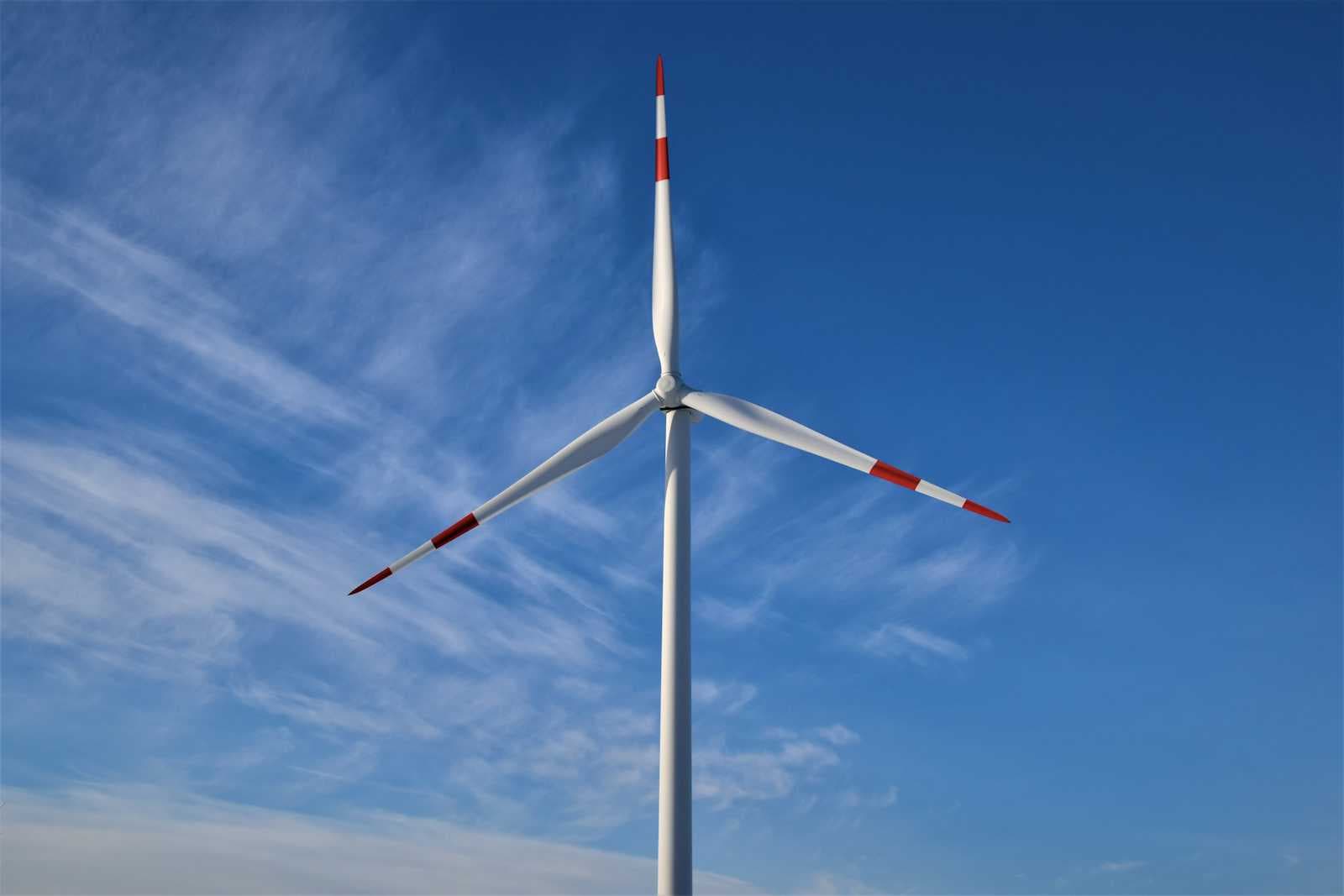
Presear Softwares PVT LTD offers a computer vision (CV) based inspection system that transforms how wind turbine blades are monitored and maintained. By combining high-resolution imaging, edge and cloud-based deep learning models, and an operations-focused dashboard, Presear turns infrequent, subjective human inspections into continuous, objective, and auditable condition monitoring. The result: earlier detection of micro-damage, prioritized maintenance, lower repair costs, increased turbine availability, and measurable improvements in energy yield.
Wind turbine blades operate in harsh environments — high winds, rain, sand, salt (offshore), and electrical storms. Over time these factors cause surface erosion, micro-cracks, composite delamination, leading-edge erosion, lightning strikes, and adhesive/structural failures. Traditional inspection approaches rely on scheduled rope-access or drone visual checks and human eyes. These methods suffer from:
Missed micro-damages: Small defects are easy to miss, yet they expand rapidly under cyclic loading.
Inconsistency: Different inspectors report different findings; subjectivity reduces reliability.
Infrequency: Inspections are periodic (months or yearly) — damage can progress unobserved.
Cost & Risk: Human inspections, especially offshore, are expensive and dangerous.
Unplanned downtime and catastrophic failures escalate maintenance and replacement costs, and reduce the revenue generated by wind assets.
Presear delivers a modular solution that integrates with existing inspection workflows: high-resolution image capture using drones or nacelle-mounted cameras, automated pre-processing and defect detection with deep learning models, a cloud-based analytics engine, and an operator dashboard for triage, reporting, and maintenance planning.
Key components:
Data acquisition: Standardized imaging protocols for drone flights and fixed cameras; automated metadata capture (GPS, orientation, timestamp, flight altitude).
Pre-processing: Image stitching, stabilization, contrast enhancement, and normalization to compensate for lighting and texture variations.
Defect detection models: Convolutional neural networks (CNNs) and transformer-based vision models trained to detect and classify tiny defects — cracks, delamination, erosion, lightning strike indicators, and foreign-object damage.
Localization & sizing: Pixel-accurate segmentation to estimate defect size and growth over time using scale references or stereo imaging.
Edge/cloud pipeline: Lightweight on-device inference for quick triage during data capture, and full-resolution cloud inference for archival and trend analysis.
Dashboard & workflow: Prioritized defect lists, heatmaps over blade surfaces, automated work orders, historical trend graphs, and regulatory-compliant reports.
Preparation: Define inspection plan (flight path, imaging resolution, lighting windows). Presear provides templates tuned for blade geometry and typical defect sizes.
Capture: Drone or fixed camera collects high-resolution image tiles across the blade surface. Metadata is captured automatically.
Onboard triage (optional): Lightweight models run on the drone or edge device to flag high-risk frames in real time, enabling targeted re-capture if needed.
Cloud processing: Images are uploaded to Presear’s secure cloud where advanced models perform detection, segmentation, and size estimation.
Analysis & prioritization: Detected defects are scored by severity, growth potential, and location (leading edge vs. trailing edge). The system ranks repairs that most reduce risk to energy production.
Reporting & action: Exportable inspection reports (PDFs, CSVs), integration with maintenance management systems (CMMS), and automatic generation of field work orders.
Micro-damage sensitivity: Models trained on a large, curated dataset with augmented examples ensure detection of tiny hairline cracks and early-stage erosion that human inspectors often miss.
Change detection & trend analysis: By aligning successive inspections spatially, Presear quantifies growth rates and predicts time-to-failure thresholds using simple prognostic models.
Multi-sensor fusion: Optional thermal imaging and ultrasonic spot-scans can be fused with visible imaging to detect subsurface delamination.
Explainability: Bounding boxes, segmentation masks, and confidence scores are provided for every detection to support human verification and regulatory audits.
Edge/cloud hybrid: Bandwidth-efficient edge triage reduces upload costs; full analysis in cloud uses GPU-accelerated inference for high accuracy.
Compliance & security: Encrypted storage, role-based access control, and audit trails to meet operator and insurer requirements.
Presear’s solution delivers measurable value:
Reduced unplanned downtime: Early detection prevents small defects from becoming catastrophic, improving turbine availability.
Lower maintenance costs: Prioritized repairs mean resources are spent only where needed; fewer emergency mobilizations.
Extended blade life: Addressing micro-damage early extends the serviceable life of blades and delays expensive replacements.
Improved safety: Less risky human rope-access inspections; drones reduce personnel exposure.
Regulatory & insurance benefits: Detailed inspection records and objective evidence can lower insurance premiums and speed claims processing.
A typical ROI example: for a 50-turbine wind farm, avoiding even one major blade failure per year (and reducing emergency call-outs) can cover the annual subscription to Presear and yield net savings through preserved energy production and lower repair and logistics costs.
SaaS cloud: Centralized processing and dashboard hosted by Presear. Fast to deploy, ideal for operators with multiple sites.
On-premise/air-gapped: For sites with strict data policies (e.g., national critical infrastructure), Presear offers an on-premise appliance.
Hybrid: Edge inference units for field triage with periodic cloud sync for full analysis.
Integration options include CMMS (Maximo, SAP PM), GIS systems, and operator SCADA for correlating defects with performance dips.
Presear recommends an initial pilot: inspect a representative subset of turbines every month for 3–6 months to build baseline models and validate detection thresholds. KPIs tracked during the pilot:
Detection precision and recall for defect classes.
Mean time-to-detect (from defect initiation to first flagged instance).
Reduction in emergency maintenance mobilizations.
Increase in turbine availability and energy yield (kWh production uplift).
Cost per inspection (before vs after automation).
Environmental variability: Lighting, shadows, rain, and sea spray can affect images. Mitigation: robust pre-processing, data augmentation, and spectral bands beyond visible light.
False positives: Conservative scoring and human-in-the-loop verification reduce unnecessary repairs.
Data volume & bandwidth: Edge triage and intelligent sampling limit uploads to relevant frames.
Model drift: Continuous model retraining using operator-verified labels keeps performance high.
A 100 MW onshore wind site with 40 turbines implemented Presear’s pilot across 10 turbines. Over 6 months, Presear detected early leading-edge erosion and three hairline cracks that were missed during two scheduled manual inspections. Repairs were prioritized and scheduled during regular maintenance windows. The site reported a 12% reduction in emergency call-outs and a 1.8% increase in annual energy production compared to the prior year — translating to significant cost savings and payback on the pilot investment in under 9 months.
Automated robotic abrasions/patch recommendations with repair pack generation for field crews.
Integration with digital twins for predictive maintenance at farm level.
Federated learning options so OEMs and operators can jointly improve models without sharing raw data.
Presear brings a blend of practical field experience, robust engineering, and a product-first approach. The company focuses on delivering operational tools (not just models) — with documentation-ready reporting, easy integration with maintenance workflows, and pragmatic deployment options that align with operator constraints. Presear’s solution is built to be accurate, auditable, and cost-effective — turning visual data into actionable maintenance decisions that preserve uptime and optimize life-cycle costs.
Presear recommends starting with a small pilot (5–10 turbines) to calibrate models to site-specific conditions and demonstrate measurable ROI within months. Contact Presear Softwares PVT LTD to schedule a scoping session and pilot plan tailored to your fleet and operational goals.
Prepared by Presear Softwares PVT LTD — transforming inspection workflows for reliable, renewable energy.