
Computer Vision for Pilot Safety Monitoring
I
Head (AI Cloud Infrastructure), Presear Softwares PVT LTD
Search for a command to run...
Head (AI Cloud Infrastructure), Presear Softwares PVT LTD
No comments yet. Be the first to comment.
Explore the forefront of AI innovation with Presear Softwares' AI Series, delving into machine learning for automation and neural networks for predictive analytics, unlocking AI's transformative potential across industries.
How Presear Softwares Empowered the National Institute of Wind Energy with Intelligent Asset Tracking

An ICSSR Project Implementation by Presear Softwares

A Hybrid Architecture for Voice-Driven Molecular Simulation and Quantum Chemistry Experiments

How PresearVisionXTrans™ Can Secure Large Gatherings like Holi

How Presear Engineered a Burst-Resilient Government Recruitment Portal using AI-Ready Scalable Architecture
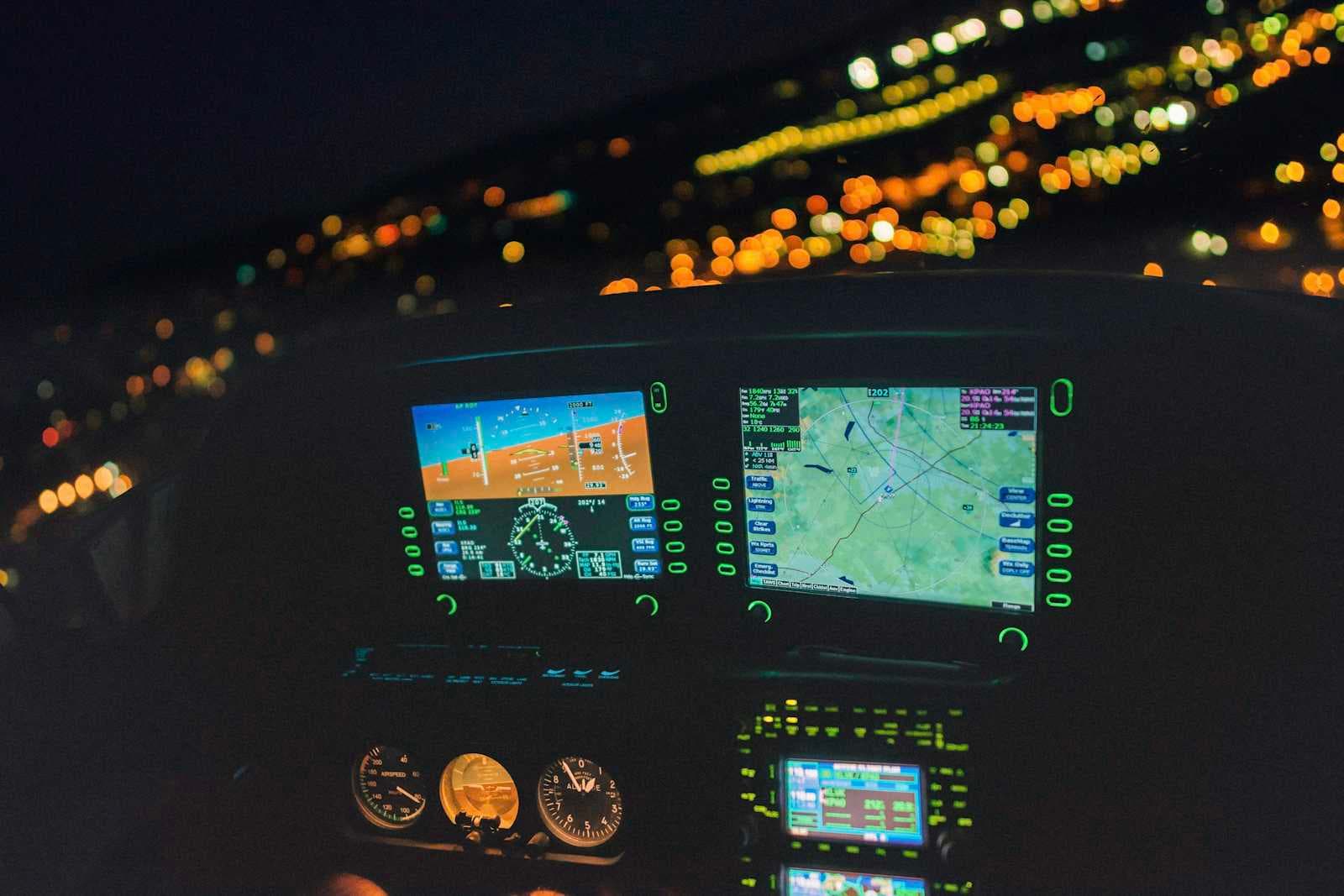
Pilot fatigue, distraction, and poor cockpit environmental conditions are persistent threats to flight safety and mission success. These risks are especially acute in high-stakes military and aerospace operations where the cost of error is exceptionally high. Presear Softwares PVT LTD presents a comprehensive computer vision (CV) solution designed to detect, predict, and mitigate pilot safety risks in real time. Our platform combines edge AI, multi-modal sensor fusion, privacy-first design, and operationally hardened deployment to reduce incident rates, improve training outcomes, and support mission planning decisions.
Fatigue, micro-sleeps, cognitive overload, and environmental factors (temperature, lighting, cabin smoke or fumes) contribute to degraded pilot performance. In military operations, long sortie durations, night operations, and multi-leg missions increase cumulative fatigue. Existing monitoring often relies on self-reporting, post-flight debriefs, or periodic physiological sensors — these create blind spots and are reactive rather than proactive.
Consequences include impaired decision-making, slower reaction times, missed cues on instruments, and in the worst cases, mission failure or loss of life. For training programs, instructors have limited objective data to evaluate trainee readiness under real-world stressors.
Presear’s Pilot Safety Monitoring Suite (PSMS) uses state-of-the-art computer vision models running on secure edge devices inside cockpits or simulators. Key capabilities include:
Real-time fatigue and drowsiness detection using facial landmark analysis, blink rate monitoring, eye closure duration (PERCLOS), and head pose estimation.
Attention and distraction detection — direction-of-gaze and head orientation tracking to flag off-nominal attention distribution (e.g., pilot not looking at critical instruments during critical phases).
Micro-sleep and loss-of-awareness alarms when sustained eye closure or prolonged head-down posture is detected.
Cockpit condition monitoring — detection of smoke, rapid changes in cabin illumination, or obstructions in key instrument panels.
Multi-modal fusion — optional integration with aircraft telemetry, seat pressure sensors, heart-rate sensors, and environmental sensors to corroborate CV findings.
Privacy-first data handling — on-device inference keeps raw video within the platform; only anonymized metadata and event flags are transmitted to preserve fighter privacy and meet regulatory requirements.
Edge cameras & sensors: Lightweight, certified cameras mount unobtrusively on the instrument panel or overhead. These cameras capture high-frame-rate video optimized for low-light and IR conditions for night ops.
On-device preprocessing: Video frames are preprocessed for stabilization, denoising, and region-of-interest extraction (face, instrument panels). This reduces bandwidth and preserves privacy.
Computer vision models: A stack of optimized neural networks performs:
Face detection and facial landmark localization.
Eye state classification (open, partially closed, closed).
Head pose estimation and gaze approximation.
Object detection for smoke, obstructions, or unexpected objects in the cockpit.
Models are quantized and pruned to meet real-time throughput on embedded accelerators (NPU, GPU or dedicated inference ASICs).
Multi-modal reasoning layer: A lightweight decision engine fuses CV outputs with available sensor data (heart rate, cockpit temperature, flight phase) to reduce false positives and produce confidence scores.
Event reporting & interfaces: When thresholds are crossed, PSMS can:
Trigger discrete in-cockpit alerts (audio/visual) to rouse fatigued pilots.
Log high-fidelity timestamps and anonymized event summaries to a secure local datastore for post-flight analysis.
Stream summarized metadata to ground stations or training dashboards (encrypted) for supervisors.
Low-latency on-device inference: Real-time alerts with latency low enough to intervene during critical flight phases.
Robust low-light performance: IR-capable cameras and models trained on night-ops datasets.
False-positive mitigation: Multi-sensor corroboration and temporal smoothing reduce nuisance alerts.
Configurable alert policies: Mission planners can tune sensitivity depending on mission profile (training vs operational sortie).
Secure, auditable logs: Tamper-evident logging, role-based access, and exportable summaries for debriefs.
Simulator integration: Seamless integration with flight simulators provides instructors with objective trainee performance metrics.
Operational (edge-first): Fully contained edge system with local storage and occasional secure sync to base for analytics. Suitable for live aircraft where bandwidth and security are constrained.
Training & analysis (hybrid): Richer telemetry collection and cloud-based analytics for long-term pattern detection and training curriculum improvements.
On-premises analytics for defense customers: Presear offers on-prem deployments in mission data centers to satisfy classified-data policies.
Presear prioritizes pilot privacy and adheres to strict data minimization principles:
Raw video never leaves the aircraft unless the customer explicitly opts in.
Stored data is time-limited and automatically pruned according to retention policies.
Anonymization steps convert detections into metadata (e.g., fatigue_score, event_timestamp) rather than identifiable footage for routine analytics.
Systems are built with explainability in mind — confidence scores and model rationale accompany alerts to aid operator trust.
For Air Force and operational units:
Reduced incidence of fatigue-related events, improving mission success rates and safety.
Objective, time-stamped evidence for incident investigations.
Operational readiness metrics across squadrons that inform scheduling and rest policies.
For training programs:
Rich, objective performance metrics for trainees under realistic stressors.
Ability to replay anonymized debriefs focusing on attention and decision-points.
Faster, data-driven improvements to curricula.
For mission planning units:
Better resource allocation informed by fatigue risk forecasts across scheduled missions.
Integration-ready outputs to feed scheduling software (crew rest optimization, sortie planning).
A medium-lift transport squadron pilots long-haul logistics sorties across multiple time zones. Presear PSMS is installed in both operational aircraft and the unit’s simulator.
During a night-leg, PSMS detects a gradual increase in blink duration and micro-sleep indicators for the co-pilot. The system issues a low-latency in-cockpit alert and records the event. The crew follows rest protocol and hands control to the other pilot for the next leg.
Post-mission, the unit safety officer reviews anonymized event logs showing a pattern of fatigue spikes across a particular crew after a sequence of consecutive missions. The squadron adjusts scheduling to insert a mandatory recovery window and adds focused simulator sessions emphasizing in-flight alertness techniques.
Over months, the unit observes a reduction in in-flight fatigue events and improved mission on-time performance.
Pilot safety monitoring yields direct and indirect returns:
Safety improvement: Fewer fatigue-related incidents lowers mission risk and potential equipment loss.
Operational availability: Preventing in-flight events reduces unscheduled maintenance and mission aborts.
Training efficiency: Objective metrics shorten trainee ramp-up time and reduce instructor load.
Data for policy: Aggregate metrics justify evidence-based changes to crew rest and sortie limits, optimizing manpower utilization.
Presear’s flexible pricing and modular architecture allow customers to pilot the system on a small number of aircraft and measure improvements before wider rollout — enabling predictable ROI calculations.
Discovery & requirements: Joint workshops with squadron safety officers and engineers to define mission profiles and privacy constraints.
Pilot deployment: Install cameras and edge boxes in 2–4 aircraft and integrate with flight data recorders and simulators.
Model calibration: Fine-tune CV models with customer-provided (anonymized) footage and operational lighting profiles.
Operational evaluation: Run a 3-month evaluation capturing metrics (alerts, false positives, training improvements).
Scale & sustain: Roll out across the fleet with on-site training, support, and optional on-prem analytics.
Presear combines deep technical expertise in computer vision, embedded systems, and secure data engineering with experience in defense and aerospace-grade deployments. Our team emphasizes pragmatic engineering: explainable models, low-latency edge inference, and operationally hardened hardware choices. We offer flexible deployment models and strong program management to minimize operational disruption during installation.
Computer vision-driven pilot safety monitoring offers a practical, high-impact way to reduce mission risk caused by fatigue and unsafe cockpit conditions. Presear Softwares PVT LTD’s Pilot Safety Monitoring Suite delivers a privacy-forward, operationally robust solution tailored to the exacting needs of air forces, training academies, and mission planners. By converting subtle human-performance signals into actionable interventions, Presear helps protect personnel, preserve assets, and improve mission outcomes.
For a tailored demo, deployment plan, or technical datasheet, contact Presear Softwares PVT LTD.