

Computer Vision for Checkout-Free Stores
I
Head (AI Cloud Infrastructure), Presear Softwares PVT LTD
Search for a command to run...
Head (AI Cloud Infrastructure), Presear Softwares PVT LTD
No comments yet. Be the first to comment.
Explore the forefront of AI innovation with Presear Softwares' AI Series, delving into machine learning for automation and neural networks for predictive analytics, unlocking AI's transformative potential across industries.
How Presear Softwares Empowered the National Institute of Wind Energy with Intelligent Asset Tracking

An ICSSR Project Implementation by Presear Softwares

A Hybrid Architecture for Voice-Driven Molecular Simulation and Quantum Chemistry Experiments
How PresearVisionXTrans™ Can Secure Large Gatherings like Holi
How Presear Engineered a Burst-Resilient Government Recruitment Portal using AI-Ready Scalable Architecture
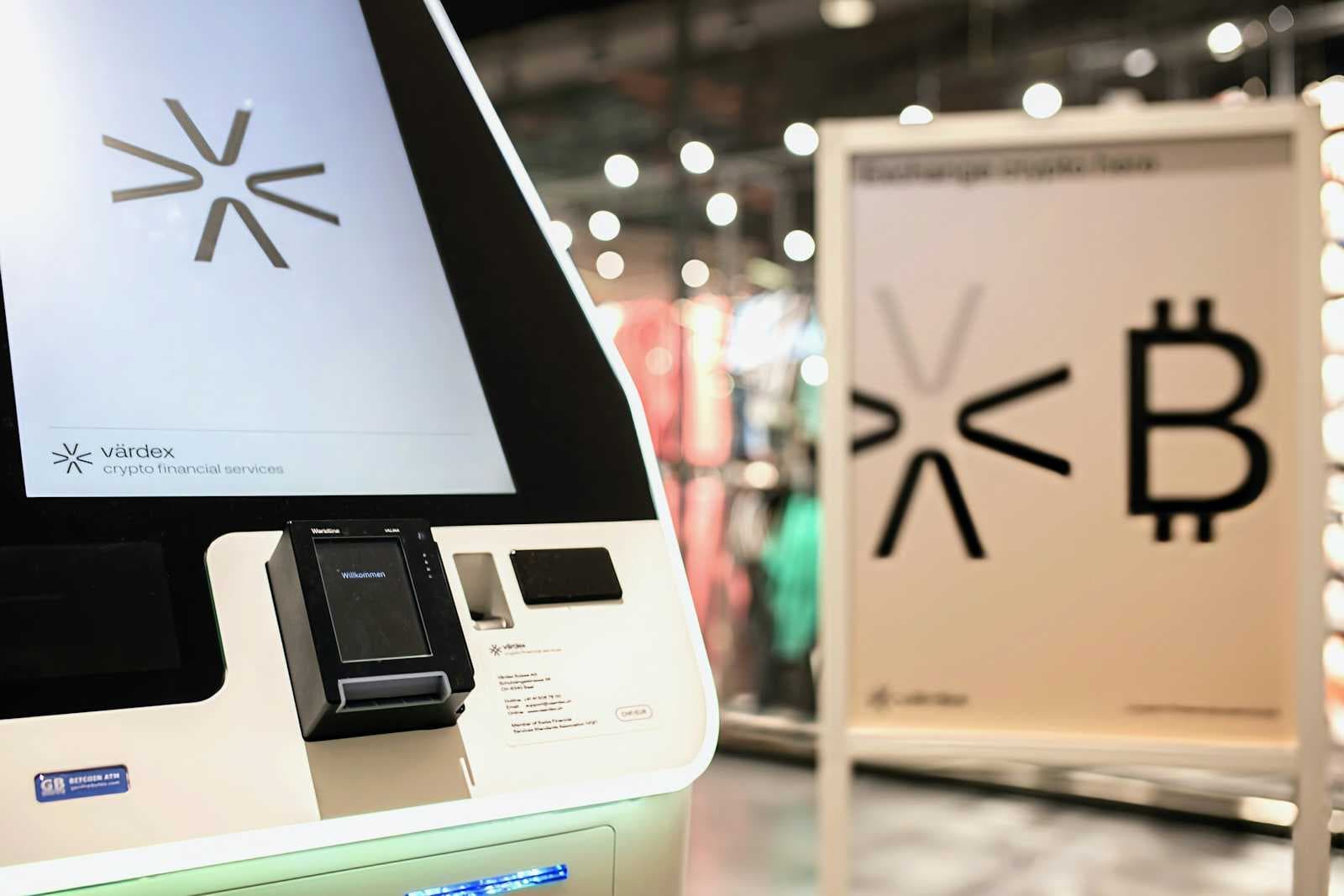
Long queues at checkout counters are a persistent pain for retailers and their customers. They frustrate shoppers, reduce impulse purchases, and increase operational costs. For hypermarkets, convenience stores, and shopping malls, the solution isn’t just faster cashiers — it’s rethinking the entire shopping experience. Presear Softwares PVT LTD applies computer vision (CV) and edge intelligence to design and deploy checkout-free store solutions that remove friction, increase throughput, and boost revenue — all while prioritizing privacy, reliability, and measurable ROI.
Queues create several business problems:
Poor customer experience: Waiting discourages repeat visits and diminishes the brand.
Lost sales: Shoppers abandon carts when lines are long or time-constrained.
High labor costs: More staff are required to manage peaks and resolve disputes.
Operational inefficiency: Checkout counters become bottlenecks that don’t scale with store traffic.
For hypermarkets and malls — environments with high SKUs and diverse shopper behavior — the challenge is especially acute: any automated solution must be robust against occlusion, many simultaneous shoppers, varied packaging, and complex store layouts.
Presear Softwares’ checkout-free offering uses a camera-first computer vision system combined with edge compute, sensor fusion, and a lightweight cloud backend. The core goals are:
Hands-free shopping: Customers pick items and leave; purchases are automatically captured and charged.
Accurate item-level tracking: Track which items are picked up, returned, or placed in a bag.
Scalability: Works across large aisles, multiple checkouts, and variable lighting.
Privacy-preserving operation: On-device processing and anonymization to protect shopper identity.
Operational analytics: Real-time dashboards for store managers (dwell times, hot zones, shrinkage alerts).
1. Edge Camera Network (RGB + Depth where needed)
High-resolution cameras positioned to cover entrances/exits, shelves, and high-traffic zones. Depth cameras or stereo rigs are added where occlusion is likely (e.g., crowded aisles).
2. Edge AI Nodes
Local servers (or smart cameras) run optimized CV models for person detection, pose estimation, object detection, and multi-object tracking. Processing on the edge ensures low latency and keeps raw video on-site.
3. Sensor Fusion
Weight sensors on shelves and smart tags (optional) validate visual detections to improve accuracy and reduce false positives. Door sensors and floor mats help confirm entry and exit events.
4. Shopper Session Management
A session is initiated when a shopper enters (QR scan, app, or anonymous token). The system links visual tracks to a session token, not a real identity — enhancing privacy. Items added/removed from the session update a virtual cart in real time.
5. Cloud Backend & Analytics
Aggregates anonymized metadata for reconciliation, fraud detection, reporting, and integration with POS and inventory systems.
6. Customer App & Payment Flow
An app or wallet-less flow (linked card) enables secure checkout. Receipts are generated automatically and pushed to the customer.
Enter store: The shopper scans a QR code or taps a token. A session starts. No personal data is needed if they opt for anonymous checkout with tokenized payments.
Shop normally: Cameras and shelf sensors detect item pick-up. Computer vision and sensor fusion determine whether the item is being examined, returned, or kept.
Leave: When the shopper exits, the system finalizes the virtual cart, processes payment, and sends a receipt.
Reconciliation: Discrepancies are flagged to staff via dashboard; minor mismatches are resolved quickly with a short verification clip kept under privacy rules.
Presear’s models are trained on diverse, store-specific data (packaging, lighting, shelf layouts). Techniques used to increase accuracy:
Multi-view fusion: Combining several camera angles to disambiguate occlusion.
Temporal consistency: Tracking item interactions across time to reduce transient false detections.
Active feedback loop: Shelf weight sensors confirm picks; when vision and sensor disagree, the system raises a low-confidence flag for human review.
Human-in-the-loop audits: Periodic manual checks help retrain models and fix systematic errors.
Shrinkage (theft / loss) is reduced by the same combination: accurate tracking plus real-time alerts for suspicious behavior, but Presear recommends sensitive handling and escalation policies to avoid false accusations.
Privacy is core to Presear’s design:
On-device processing: Raw video need not leave the store. Only metadata (anonymized object and session IDs) is sent to cloud services.
Anonymization: Faces are blurred or converted to abstract embeddings with no inverse mapping.
Minimal personal data: If customers prefer, anonymous checkout is available; payment can be tokenized, avoiding storage of names.
Retention policies: Short retention windows for visual data, with audit logs and secure deletion.
Compliance: The system can be configured to meet regional privacy regulations (e.g., GDPR-like requirements, local data protection laws).
Presear uses a standard phased rollout:
Pilot (1–3 months): Small store or specific zone, model fine-tuning, staff training.
Scale-up (3–9 months): Add aisles, integrate POS and inventory systems, ramp up user onboarding.
Optimization (ongoing): Performance tuning, model retraining, new feature rollout.
Integration points:
POS and ERP systems (real-time inventory adjustments)
Payment gateways and tokenization services
Store operations dashboards and incident management tools
Loyalty systems (optional, with consent)
Checkout-free systems deliver concrete benefits:
Reduced staffing cost: Fewer dedicated checkout staff; staff redeployed to customer service and merchandising.
Higher throughput: Faster customer flow increases peak capacity and reduces abandonment.
Increased basket size: Frictionless shopping encourages more spontaneous purchases.
Lower shrinkage: Better tracking and analytics reduce losses.
Actionable insights: Heatmaps and dwell time analysis inform product placement and promotions.
Typical ROI for large-format stores can often be realized within 12–24 months, depending on traffic patterns and shrinkage baseline. Presear provides a tailored ROI model per client during the pilot phase.
A 3,000 sq.ft. convenience store integrated Presear’s system in a pilot. Results after 6 months:
Average queue time at peak reduced 100% (no queues).
Average basket value increased by 8%.
Shrinkage reduced by 15% through combined sensor/vision alerts.
Staff reallocated from checkout to merchandising, improving store presentation and upsell rates.
These numbers were achieved with conservative assumptions and a two-month tuning period for models and sensor thresholds.
Complex packaging & similar items: Use higher-resolution models, product templates, and shelf tags to differentiate items.
Crowds & occlusion: Add more viewpoints and depth sensors; increase edge compute capacity.
Integration friction: Presear offers middleware adapters and custom APIs to integrate with legacy POS systems.
Customer adoption: Clear signage, simple onboarding, and staff assistance during early weeks smooth the transition.
Presear’s roadmap includes:
Fine-grained gesture recognition: Better handle intent (e.g., put back vs. keep).
Cold-chain item tracking: Temperature-aware tracking for perishables.
Predictive inventory replenishment: Use dwell and pick patterns to automate restocking.
Cross-store analytics: Aggregate anonymized patterns across store networks for inventory optimization and targeted promotions.
Checkout-free technology driven by computer vision is a transformational opportunity for hypermarkets, convenience stores, and shopping malls. Presear Softwares PVT LTD’s solution blends reliable edge AI, sensor fusion, and careful privacy design to eliminate queues, improve customer experience, and produce measurable commercial benefits. With a phased deployment, clear ROI modeling, and ongoing operational support, retailers can convert the time customers spend waiting into time spent buying — and transform checkout from a cost center into a strategic advantage.