

Autonomous Robots for Warehouse Management Transforming Logistics Efficiency — A Strategic Use Case for Presear Softwares Pvt. Ltd.
I
Head (AI Cloud Infrastructure), Presear Softwares PVT LTD
Search for a command to run...
Head (AI Cloud Infrastructure), Presear Softwares PVT LTD
No comments yet. Be the first to comment.
Explore the forefront of AI innovation with Presear Softwares' AI Series, delving into machine learning for automation and neural networks for predictive analytics, unlocking AI's transformative potential across industries.
Introduction Artificial intelligence (AI) and machine learning (ML) systems are increasingly being deployed across industries to automate decisions, improve operational efficiency, and enable predictive intelligence. From credit scoring and fraud det...
How Presear Softwares Empowered the National Institute of Wind Energy with Intelligent Asset Tracking

An ICSSR Project Implementation by Presear Softwares

A Hybrid Architecture for Voice-Driven Molecular Simulation and Quantum Chemistry Experiments

How PresearVisionXTrans™ Can Secure Large Gatherings like Holi
How Presear Engineered a Burst-Resilient Government Recruitment Portal using AI-Ready Scalable Architecture
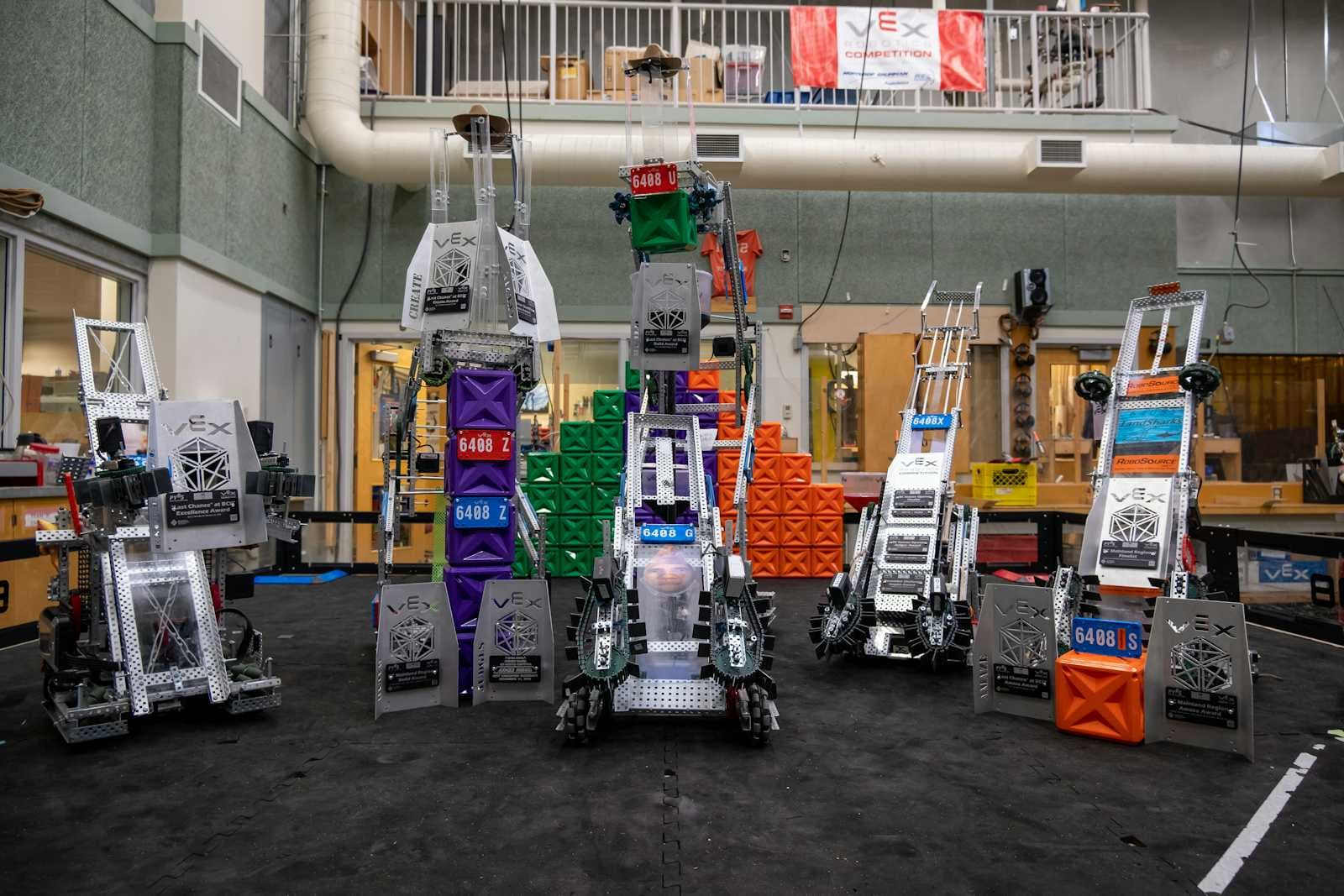
Warehousing and logistics operations form the backbone of modern commerce. With the explosive growth of e-commerce, omnichannel retail, and globalized supply chains, warehouses are expected to handle increasingly complex workflows while maintaining speed, accuracy, and cost efficiency. However, many warehouses still rely heavily on manual operations such as picking, sorting, transportation, and inventory handling. These traditional processes are labor-intensive, prone to delays, and susceptible to human error, leading to inefficiencies that can negatively impact customer satisfaction and operational profitability.
Autonomous mobile robots (AMRs) and automated warehouse robotics systems are rapidly emerging as a transformative solution to these challenges. By combining robotics, artificial intelligence (AI), Internet of Things (IoT) connectivity, and real-time analytics, autonomous warehouse robots can streamline logistics operations, reduce operational errors, and dramatically increase throughput. For Presear Softwares Pvt. Ltd., developing and deploying autonomous robotic warehouse management solutions represents a powerful, high-impact use case that aligns with Industry 4.0 transformation goals across e-commerce, retail, and logistics sectors.
This article explores the challenges of manual logistics operations, the design of an autonomous robotics-based warehouse solution, its implementation framework, and the strategic value such systems bring to enterprises and to Presear’s service portfolio.
Despite advances in digital supply chain technologies, a significant portion of warehouse workflows still depends on manual labor. Human workers perform tasks such as product picking, order sorting, pallet transport, inventory scanning, and shelf replenishment. While human intervention provides flexibility, it introduces several critical inefficiencies:
1. Operational Delays
Manual picking and transportation slow down fulfillment cycles, especially during peak demand periods. Large warehouses require workers to walk long distances to retrieve items, leading to longer order processing times.
2. Human Errors in Order Fulfillment
Incorrect picking, misplaced inventory, and labeling errors are common in manual operations. Even a small percentage of order errors can significantly impact customer satisfaction, returns handling, and operational costs.
3. Labor Shortages and Rising Costs
Warehouses worldwide face labor shortages, seasonal workforce fluctuations, and increasing wage pressures. Dependence on human labor makes operational scaling difficult and costly.
4. Limited Real-Time Visibility
Manual processes often lack real-time inventory tracking and workflow monitoring, leading to inaccurate stock records and inefficient space utilization.
5. Safety Risks
Heavy lifting, repetitive motion, and high-traffic warehouse environments increase the risk of workplace injuries, creating safety concerns and liability issues.
These challenges highlight the urgent need for intelligent automation solutions capable of improving speed, accuracy, and operational efficiency.
Presear Softwares Pvt. Ltd. can design and implement an integrated Autonomous Warehouse Robotics Platform that combines AI-driven robotics, fleet orchestration software, warehouse management system (WMS) integration, and predictive analytics to automate logistics operations.
1. Autonomous Mobile Robots (AMRs)
Self-navigating robots equipped with sensors, cameras, LiDAR, and AI algorithms transport goods across the warehouse without fixed infrastructure. These robots dynamically map warehouse layouts and avoid obstacles in real time.
2. Robotic Picking and Sorting Systems
AI-powered robotic arms can identify items using computer vision, pick them from shelves, and place them into packaging or sorting bins with high accuracy.
3. Fleet Management Software
A centralized control platform coordinates hundreds of robots simultaneously, optimizing routing paths, balancing workloads, and preventing congestion in warehouse aisles.
4. Integration with Warehouse Management Systems (WMS)
Robots connect seamlessly with existing ERP and WMS platforms, enabling automated order allocation, inventory tracking, and shipment preparation.
5. Real-Time Analytics and Predictive Optimization
AI analytics monitor robot performance, inventory movement patterns, and warehouse throughput to continuously optimize operations and forecast demand-driven workload adjustments.
To ensure successful deployment, Presear can follow a structured implementation methodology:
Evaluate current workflows, storage layouts, picking operations, and bottlenecks.
Identify automation opportunities such as repetitive transport tasks or high-error picking zones.
Estimate ROI based on throughput improvements and labor cost savings.
Introduce a limited fleet of AMRs in selected warehouse zones.
Integrate with existing WMS and run hybrid operations alongside human workers.
Measure performance metrics such as order processing time, picking accuracy, and travel distance reduction.
Expand robotic fleet across the warehouse.
Deploy robotic picking arms for high-volume product categories.
Implement centralized fleet orchestration dashboards for real-time monitoring.
Use machine learning to refine routing algorithms and predictive scheduling.
Analyze operational data to redesign storage layouts and improve demand forecasting.
Periodically upgrade robotics firmware and AI models for performance improvements.
High order volumes, frequent product movement, and fast delivery expectations make robotics particularly valuable in e-commerce fulfillment centers. Autonomous robots enable rapid order picking, faster dispatch, and scalable operations during seasonal surges such as festive sales or promotional campaigns.
Retail chains operating multiple store networks require efficient inventory replenishment. Robotics systems allow faster cross-docking, automated sorting, and improved stock accuracy, ensuring timely product availability across stores.
3PL companies manage diverse client inventories and varying shipment schedules. Autonomous robotics improve operational flexibility, enabling faster onboarding of new clients and efficient handling of fluctuating demand.
Implementing Presear’s autonomous warehouse robotics platform can deliver measurable results:
1. Increased Operational Efficiency
Robots operate continuously without fatigue, enabling round-the-clock warehouse operations and significantly improving order throughput.
2. Reduced Fulfillment Errors
AI-driven picking and automated verification systems minimize incorrect shipments, lowering return rates and customer complaints.
3. Lower Operational Costs
Automation reduces dependency on manual labor while improving productivity per square meter of warehouse space.
4. Faster Order Processing
Dynamic robot routing and automated picking drastically shorten fulfillment cycles, supporting same-day or next-day delivery commitments.
5. Improved Worker Safety
Robots handle heavy lifting and repetitive transport tasks, reducing workplace injuries and enhancing employee well-being.
6. Scalable Operations
Robotic fleets can be expanded or reconfigured easily, allowing warehouses to scale operations without major infrastructure changes.
Developing autonomous warehouse robotics solutions provides multiple strategic advantages for Presear:
Expansion into Industry 4.0 Solutions
Robotics automation complements Presear’s expertise in AI-driven enterprise platforms, positioning the company as a comprehensive digital transformation partner.
Recurring Enterprise Engagements
Warehouse automation projects involve long-term maintenance, software updates, analytics services, and fleet optimization, generating sustained revenue streams.
Cross-Industry Applicability
The same robotics orchestration platform can be adapted across e-commerce, retail, pharmaceuticals, manufacturing, and logistics industries, expanding market reach.
Data-Driven Intelligence Platforms
Operational data collected from robotic fleets enables the development of advanced predictive supply chain analytics solutions, creating additional value-added services.
Although the benefits are significant, organizations adopting warehouse robotics must address certain challenges:
High Initial Investment
Automation infrastructure requires upfront capital. Mitigation: phased deployments and robotics-as-a-service (RaaS) subscription models.
Workforce Adaptation
Employees may require reskilling to work alongside robots. Mitigation: structured training programs and human-robot collaborative workflows.
Integration Complexity
Legacy warehouse systems may require customization. Mitigation: modular API-based integration frameworks.
Operational Transition Risks
Switching from manual to automated systems can disrupt workflows initially. Mitigation: pilot-based rollout and hybrid operation stages.
The future of warehouse management lies in fully autonomous, AI-driven supply chains where robots, predictive analytics, and real-time inventory intelligence operate in coordination. Advanced systems will include swarm robotics, AI demand forecasting integration, and fully automated fulfillment centers capable of operating with minimal human intervention. Companies investing early in robotics automation will gain a decisive competitive advantage through faster logistics, reduced costs, and improved customer satisfaction.
For Presear Softwares Pvt. Ltd., investing in autonomous warehouse robotics solutions represents a strategic opportunity to lead in next-generation logistics technologies. By delivering integrated robotics orchestration platforms, enterprise analytics, and scalable automation architectures, Presear can empower warehouses to transition from manual logistics operations to intelligent, high-efficiency autonomous ecosystems.
Manual warehouse logistics operations often cause delays, errors, and inefficiencies that directly impact supply chain performance. Autonomous robots provide a transformative solution by automating repetitive tasks, improving accuracy, accelerating order fulfillment, and enabling scalable warehouse operations. Through the development and deployment of an Autonomous Warehouse Robotics Platform, Presear Softwares Pvt. Ltd. can help e-commerce companies, retail distribution centers, and logistics providers achieve faster, smarter, and more reliable warehouse management while unlocking new avenues for digital transformation and long-term operational excellence.