Autonomous Robotics for Manufacturing- A Strategic Use Case for Presear Softwares Pvt. Ltd.
I
Head (AI Cloud Infrastructure), Presear Softwares PVT LTD
Search for a command to run...
Head (AI Cloud Infrastructure), Presear Softwares PVT LTD
No comments yet. Be the first to comment.
Explore the forefront of AI innovation with Presear Softwares' AI Series, delving into machine learning for automation and neural networks for predictive analytics, unlocking AI's transformative potential across industries.
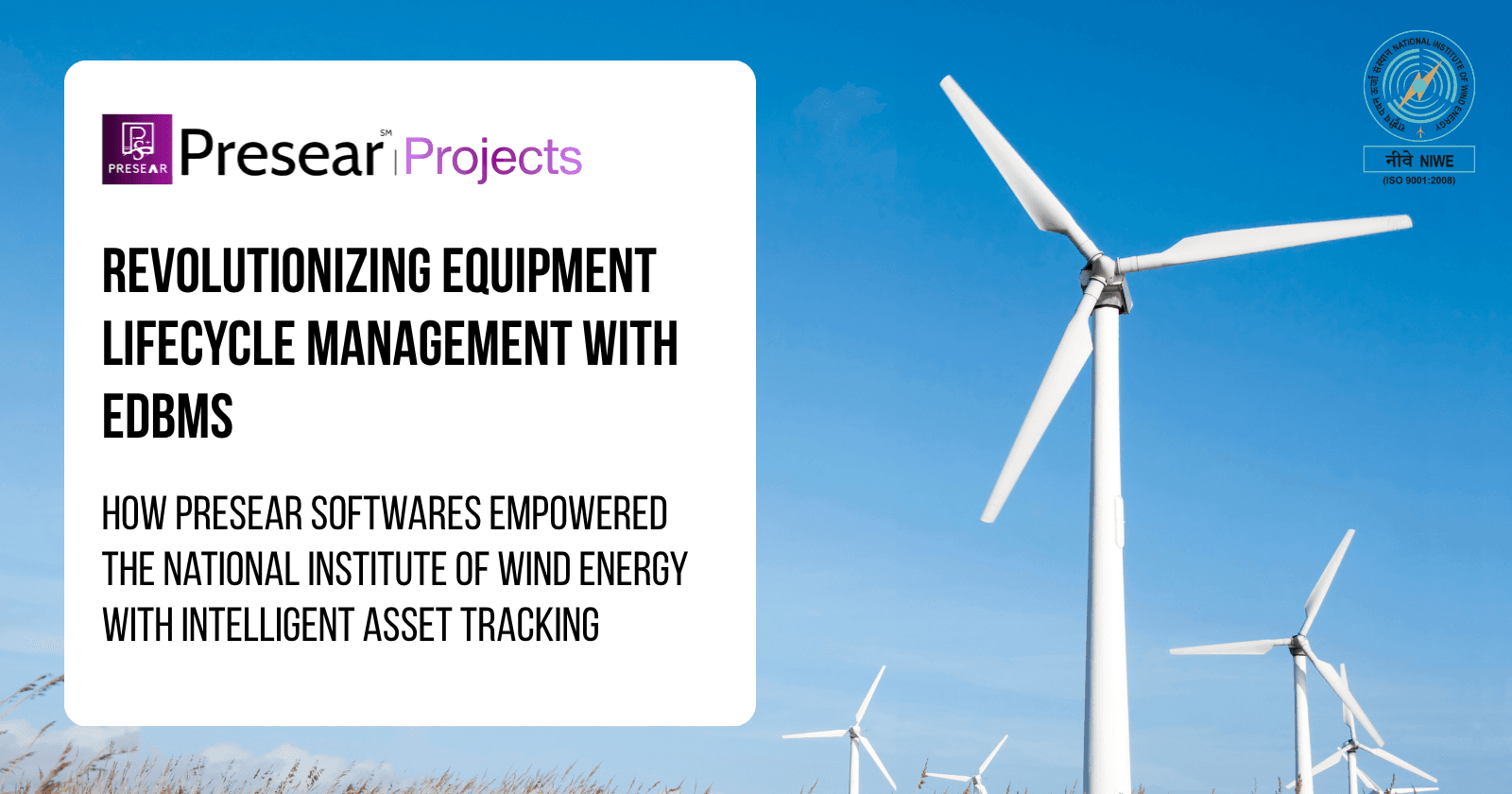
How Presear Softwares Empowered the National Institute of Wind Energy with Intelligent Asset Tracking
An ICSSR Project Implementation by Presear Softwares
A Hybrid Architecture for Voice-Driven Molecular Simulation and Quantum Chemistry Experiments

How PresearVisionXTrans™ Can Secure Large Gatherings like Holi
How Presear Engineered a Burst-Resilient Government Recruitment Portal using AI-Ready Scalable Architecture
Manufacturing industries worldwide are undergoing a major transformation driven by Industry 4.0 technologies such as artificial intelligence (AI), robotics, advanced sensors, and intelligent automation. Traditional automation systems, although highly efficient for repetitive tasks, suffer from a critical limitation: they lack adaptability. Production lines configured for specific tasks often struggle to adjust when product designs change, environments shift, or operational conditions vary. As a result, manufacturers face downtime, reprogramming costs, reduced flexibility, and inefficiencies that directly affect productivity and competitiveness.
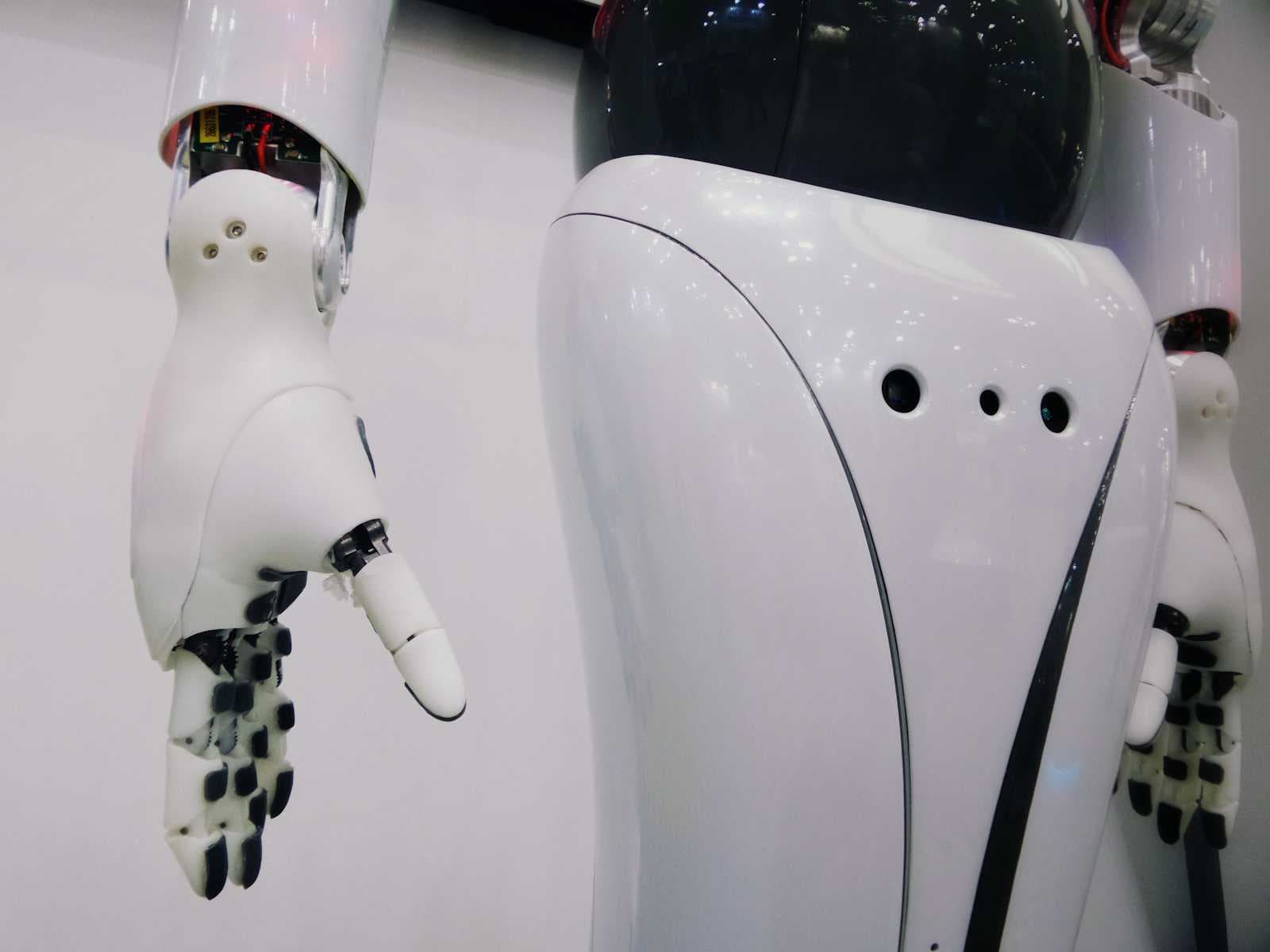
Autonomous robotics represents the next generation of intelligent manufacturing. Unlike traditional robots that operate based on fixed programming, autonomous robots leverage AI, machine learning, computer vision, and real-time sensor feedback to adapt to dynamic environments. These robots can learn from data, respond to unexpected situations, collaborate with human workers, and optimize processes continuously. For industries such as automotive, electronics, and precision engineering—where flexibility, speed, and accuracy are crucial—autonomous robotics offers transformative potential.
Presear Softwares Pvt. Ltd., with its strong capabilities in artificial intelligence, enterprise software solutions, and intelligent data systems, is uniquely positioned to develop and deploy autonomous robotics solutions tailored for modern manufacturing environments. This use case explores how Presear can deliver high-impact solutions that address one of the most pressing manufacturing pain points: the inability of traditional automation to adapt to changing production environments.
Traditional industrial automation relies heavily on pre-programmed robotic systems designed to perform fixed tasks such as assembly, welding, packaging, or inspection. While these systems deliver high precision and speed, they are not built for flexibility. Several challenges arise from this limitation:
Frequent product changes – Modern manufacturing increasingly demands customization, shorter product lifecycles, and frequent design updates. Fixed automation systems require time-consuming reprogramming whenever production changes.
Dynamic shop-floor environments – Human workers, mobile equipment, material flow variations, and unexpected disruptions create environments that static robots cannot handle effectively.
High reconfiguration costs – Adjusting traditional robotic systems requires skilled engineers, downtime, and significant operational cost.
Limited collaboration with humans – Conventional robots typically operate in isolated safety cages, reducing collaboration opportunities and workflow efficiency.
Inefficient resource utilization – Static automation cannot dynamically leads tasks or optimize workflow in real time, resulting in production bottlenecks.
As industries strive for agile manufacturing, these limitations create an urgent need for adaptive, intelligent robotic systems capable of operating autonomously within complex environments.
Autonomous robots differ fundamentally from traditional automation systems. They combine multiple technologies, including:
Artificial intelligence for decision-making
Computer vision for object recognition and environment awareness
Machine learning for continuous improvement
Sensor fusion for real-time navigation and interaction
Edge computing for fast local processing
Cloud-based analytics for fleet-level optimization
These robots can navigate independently, identify objects, adjust movements dynamically, collaborate safely with human workers, and even learn from operational data to improve performance over time. Autonomous robotics transforms manufacturing from rigid automation to adaptive intelligent systems capable of handling real-world variability.
Presear Softwares Pvt. Ltd. can develop a comprehensive autonomous robotics platform tailored to manufacturing environments, integrating AI-driven robotics with enterprise data systems. The proposed platform would consist of the following components:
Using advanced computer vision and sensor analytics, robots can detect objects, identify parts, recognize assembly configurations, and monitor environmental changes. This perception capability allows robots to operate safely and accurately even in unstructured environments.
AI algorithms enable robots to decide optimal paths, task sequences, and actions in real time. Instead of relying solely on fixed programming, robots adapt to operational conditions dynamically.
Robots equipped with simultaneous localization and mapping (SLAM) technologies can move safely across factory floors, transport materials, assist in assembly lines, and coordinate tasks with other robotic systems.
Collaborative robotics (cobots) integrated with safety-aware AI systems can work alongside human workers, assisting in repetitive or precision tasks while maintaining safety standards.
Presear’s enterprise software expertise allows seamless integration with Manufacturing Execution Systems (MES), ERP systems, and operational dashboards. Real-time robotic data can feed into production analytics, enabling continuous process optimization.
Robotic performance data is continuously analyzed to improve efficiency, reduce downtime, and refine operational strategies. Machine learning models update robot behavior based on real-world performance.
Automotive production requires flexibility to handle multiple vehicle models, changing assembly configurations, and high production volumes. Autonomous robots can dynamically adjust to different component placements, assist in adaptive welding and painting operations, and manage intra-plant logistics without manual intervention. This reduces downtime during product transitions and improves overall throughput.
Electronics production involves delicate components, high precision requirements, and rapid product cycles. Autonomous robotics enables adaptive assembly lines capable of handling varying circuit board designs, performing precision pick-and-place operations, and automatically adjusting workflows as product designs evolve.
Precision engineering industries often produce small batches of highly specialized components. Autonomous robotics allows rapid reconfiguration of workflows, intelligent material handling, and adaptive machining assistance, improving productivity even in low-volume production environments.
To successfully deploy autonomous robotics solutions, Presear Softwares can follow a phased implementation approach:
Manufacturing Assessment – Analyze production lines, identify flexibility bottlenecks, and define automation objectives.
Pilot Deployment – Introduce autonomous robots in a limited operational environment to validate performance and ROI.
System Integration – Connect robotic systems with enterprise software platforms for unified production monitoring.
Scaling Across Operations – Expand autonomous robotics deployment across multiple lines and facilities.
Continuous Optimization – Use operational data to improve robot intelligence, performance, and operational workflows.
This structured approach ensures minimal disruption while enabling measurable business benefits.
Deploying autonomous robotics solutions developed by Presear Softwares offers multiple strategic advantages:
Increased production flexibility
Reduced downtime during product transitions
Improved worker safety through collaborative robotics
Enhanced operational efficiency and productivity
Real-time data-driven manufacturing insights
Lower long-term automation reconfiguration costs
Faster response to market demand changes
Scalable intelligent automation infrastructure
These benefits directly translate into improved profitability, stronger competitive positioning, and enhanced operational resilience.
By offering autonomous robotics solutions, Presear Softwares can expand its technology portfolio beyond software-centric solutions into intelligent industrial automation platforms. This strengthens its position as an Industry 4.0 solutions provider capable of delivering end-to-end digital transformation services, including AI, robotics, analytics, and enterprise integration.
Such solutions also create long-term client partnerships, recurring service opportunities, and domain specialization across high-growth manufacturing sectors such as automotive, electronics, and precision engineering.
Manufacturing is moving toward adaptive, intelligent, and highly flexible production ecosystems. Traditional automation, while powerful, cannot keep pace with rapidly changing production demands and dynamic operational environments. Autonomous robotics addresses this critical gap by enabling adaptive decision-making, real-time responsiveness, and seamless human–machine collaboration.
Through the development of an AI-driven autonomous robotics platform, Presear Softwares Pvt. Ltd. can help manufacturing organizations transition from rigid automation to intelligent, self-optimizing production systems. This transformation not only improves efficiency and quality but also empowers manufacturers to remain competitive in an increasingly agile global market.
Autonomous robotics, therefore, represents not just a technological advancement but a strategic opportunity—one that positions Presear Softwares as a key enabler of the next generation of smart manufacturing.